UK PPE Standards Explained – A Simple Guide to Safety Ratings and Compliance
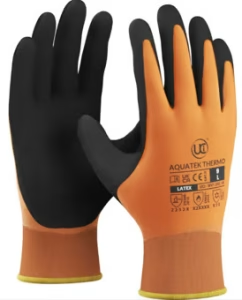 When buying Personal Protective Equipment (PPE), it’s easy to become confused by the various safety symbols, certification marks and product standards. Terms such as EN ISO, UKCA, CE and S3 appear on countless products, but many buyers aren’t entirely sure what they actually mean.
Understanding these standards is important because choosing compliant PPE helps protect your workforce, supports your health and safety procedures and ensures you’re purchasing equipment that has been tested for its intended purpose.
In this guide, we’ll explain the most common UK PPE standards in straightforward language, helping you make informed decisions when purchasing safety equipment for your business.
Why PPE Standards Matter
Not all protective equipment offers the same level of protection. Safety standards exist to ensure products have been independently tested and meet recognised performance requirements.
Whether you’re buying safety boots, hard hats, gloves or high-visibility clothing, understanding the relevant standards helps ensure you’re selecting products suitable for your working environment.
Choosing certified PPE also gives employees greater confidence that the equipment they’re using has been designed and tested to perform as expected.
What Does PPE Stand For?
PPE stands for Personal Protective Equipment. It includes any clothing or equipment designed to reduce the risk of injury or illness while carrying out work activities.
Examples include safety footwear, gloves, eye protection, helmets, hearing protection, respiratory equipment and high-visibility clothing.
What Is the UKCA Mark?
The UKCA (UK Conformity Assessed) mark is the product marking used for many goods sold within Great Britain. It demonstrates that a product meets the relevant UK safety and performance requirements.
Many modern PPE products now carry the UKCA mark, showing they have successfully met the necessary conformity assessment procedures.
When purchasing PPE, checking for recognised certification helps provide reassurance that the equipment has been manufactured to appropriate standards.
What About the CE Mark?
You may also notice many products displaying the familiar CE mark. This certification has been widely recognised across Europe for many years and continues to appear on a large amount of PPE available within the UK.
Depending on the product and its intended market, you may find equipment displaying the UKCA mark, the CE mark or, in some cases, both.
Understanding EN and EN ISO Standards
Many PPE products also display an EN or EN ISO number.
These numbers identify the specific performance standard the product has been tested against.
Rather than representing a quality grade, each standard relates to a particular type of protection or performance requirement.
Common Safety Standards You’ll See
EN ISO 20345 – Safety Footwear
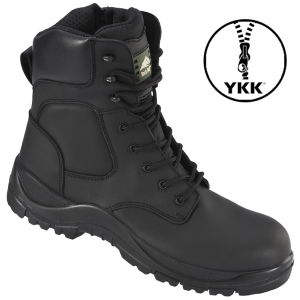 This is one of the best-known standards and applies to safety boots and safety shoes with protective toe caps.
Products certified to this standard are designed to help protect feet against impact and compression injuries while often incorporating additional features such as slip resistance, puncture-resistant midsoles and water resistance.
EN ISO 20471 – High Visibility Clothing
High-visibility garments worn on roads, construction sites and industrial environments are commonly certified to EN ISO 20471.
This standard helps ensure garments provide sufficient visibility in both daylight and low-light conditions.
EN 397 – Industrial Safety Helmets
Construction helmets and hard hats often comply with EN 397, covering impact protection and other performance requirements expected from industrial head protection.
EN 388 – Protective Gloves
Gloves designed for mechanical risks, such as cuts, abrasion and punctures, are commonly tested to EN 388.
The performance ratings shown alongside this standard help users compare different levels of protection.
EN 166 – Eye Protection
Safety glasses and goggles used in workshops, engineering and manufacturing environments frequently comply with EN 166, helping protect against flying particles and other workplace hazards.
EN 149 – Respiratory Protection
Disposable respirators commonly carry EN 149 certification, identifying their suitability for filtering airborne particles.
Products may also display classifications such as FFP1, FFP2 or FFP3 depending on their level of filtration.
Understanding Safety Boot Ratings
Safety footwear often includes additional ratings alongside EN ISO 20345.
Some of the most common include:
- S1 – Basic workplace protection with toe cap, anti-static properties and energy absorption.
- S1P – Adds puncture-resistant midsoles.
- S2 – Includes water-resistant uppers for wetter environments.
- S3 – Combines water resistance with puncture protection and durable outsoles, making it one of the most popular choices for construction and trade professionals.
- S5 – Heavy-duty waterproof safety wellingtons suitable for demanding outdoor environments.
Selecting the correct rating depends entirely on the hazards present within your workplace.
Do All Businesses Need Certified PPE?
Every workplace presents different risks, so the level of PPE required varies between industries.
Where protective equipment is necessary, selecting products that comply with recognised safety standards helps ensure they are suitable for the intended application.
A proper workplace risk assessment should always be carried out before deciding what PPE is required.
How to Check Your PPE
When purchasing protective equipment, take a few moments to check the product information before placing your order.
Look for:
- Recognised certification markings.
- Relevant EN or EN ISO standards.
- Product safety ratings.
- Manufacturer instructions.
- Sizing guidance.
- Suitable applications.
Buying from an established PPE supplier also provides reassurance that products are sourced from reputable manufacturers.
Frequently Asked Questions
Is UKCA replacing CE?
Many products now display UKCA certification, while others continue to carry CE marking depending on the product and where it is being supplied. Always check the product information for the latest certification details.
What does EN mean?
EN stands for European Standard. These standards identify the tests and performance requirements that particular products have successfully met.
Do higher numbers mean better protection?
No. The numbers simply identify the relevant standard rather than indicating quality. Protection levels vary depending on the specific performance ratings achieved.
How often should PPE be replaced?
This depends on the type of equipment, frequency of use and working conditions. PPE should always be inspected regularly and replaced if damaged, worn or no longer provides adequate protection.
Final Thoughts
Understanding PPE standards doesn’t have to be complicated. Once you know what the various certification marks and safety ratings represent, choosing suitable protective equipment becomes much easier.
Whether you’re buying safety boots, gloves, hard hats or high-visibility clothing, selecting products that meet recognised standards helps protect your workforce while giving you confidence that your equipment has been properly tested for its intended use.
At Work & Wear Direct, we supply a comprehensive range of certified PPE and workplace safety equipment from leading manufacturers. If you’re unsure which products are most suitable for your business, our experienced team will be happy to help.
Contact us today for expert advice on choosing compliant PPE for your workplace.