Summer Workwear & PPE – Keeping Workers Safe in Hot Weather
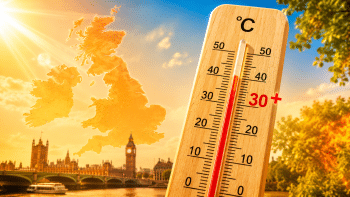
Working through a British summer can be unpredictable. One week you’re reaching for a waterproof jacket and the next you’re trying to stay comfortable while working in temperatures approaching 30°C.
For people working outdoors, on construction sites, in warehouses or in other physically demanding environments, hot weather isn’t simply uncomfortable. Heat, physical work and protective clothing can combine to increase fatigue and potentially contribute to heat stress.
The challenge for employers is keeping workers cooler without compromising the protection they need to do their jobs safely.
Choosing suitable summer workwear, reviewing how PPE is being used and making a few sensible changes to working practices can make a considerable difference.
Why Hot Weather and PPE Can Be a Difficult Combination
Our bodies naturally cool themselves through sweating. Heavy clothing and some forms of Personal Protective Equipment can make this process less effective by trapping heat and reducing evaporation.
Add physically demanding work, direct sunlight and high temperatures and workers can quickly become uncomfortable.
This doesn’t mean essential PPE should simply be removed. If equipment is required to protect against a workplace hazard, that protection still matters.
Instead, employers should consider how clothing, PPE, working conditions and the amount of physical activity all contribute to the overall risk.
Choose Lightweight Workwear Where Appropriate
One of the simplest ways to improve comfort during warmer weather is reviewing the everyday clothing employees are wearing beneath their PPE.
Heavy sweatshirts and thick polo shirts that work perfectly throughout winter may become uncomfortable during summer.
Depending on the job, lighter alternatives could include:
- Lightweight work T-shirts
- Breathable polo shirts
- Moisture-wicking tops
- Lightweight work trousers
- Work shorts where appropriate
- Lightweight hi-vis garments
The important point is that lighter clothing still needs to be suitable for the work being carried out.
Breathable Fabrics Can Make a Big Difference
Fabric choice becomes particularly important when employees are carrying out physical work.
Breathable and moisture-managing materials can help move moisture away from the skin and make clothing more comfortable during warmer conditions.
For businesses ordering branded uniforms, it’s therefore worth considering seasonal garments rather than expecting employees to wear exactly the same clothing throughout the year.
A lightweight branded T-shirt or polo can maintain your professional company image while providing a more comfortable summer uniform.
Don’t Automatically Remove PPE Because It’s Hot
When temperatures rise, it can be tempting to remove gloves, helmets, high-visibility clothing or other protective equipment.
However, PPE is there to protect against specific hazards and shouldn’t be removed while those hazards remain.
The better approach is to review the work being carried out and consider whether different PPE could provide the required protection while improving comfort.
Modern PPE manufacturers increasingly offer lighter and more breathable products designed to reduce unnecessary bulk without compromising the protection required for the task.
Think About Layers Rather Than One Heavy Garment
British weather rarely stays consistent throughout an entire working day.
A cool morning can quickly become a hot afternoon before temperatures drop again later in the day.
Using several lighter layers gives employees more control over their comfort.
A practical summer workwear combination might include:
- Lightweight branded T-shirt or polo shirt
- Lightweight sweatshirt or fleece for cooler mornings
- Breathable work trousers
- Lightweight waterproof jacket
- Task-appropriate PPE
Layers can then be added or removed as conditions change, provided doing so doesn’t remove protection required for the work.
High-Visibility Clothing in Hot Weather
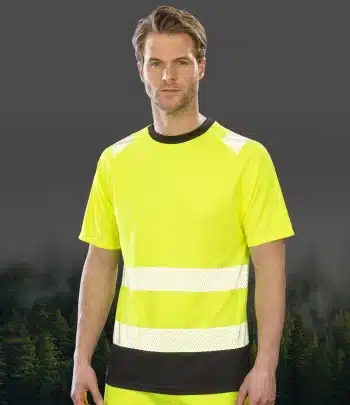
High-visibility clothing is essential in many workplaces, but heavier jackets can become uncomfortable during warm weather.
Where appropriate for the working environment, businesses can consider lighter hi-vis options such as waistcoats, T-shirts and polo shirts.
This allows workers to remain visible while potentially reducing the amount of heavy clothing they need to wear.
Always ensure the garment provides the correct level of visibility and protection required for the workplace.
Don’t Forget UV Exposure
Heat isn’t the only consideration for outdoor workers during summer.
People working outside for long periods may also experience significant exposure to ultraviolet radiation from the sun.
Suitable clothing can help reduce exposed skin, while shaded rest areas can provide workers with somewhere to get out of direct sunlight during breaks.
Employers should consider sun exposure as part of their wider approach to protecting people working outdoors.
Hydration Matters
Physical work increases the amount of heat generated by the body, and hot weather increases fluid loss through sweating.
Workers should have easy access to drinking water and be encouraged to drink regularly throughout the day rather than waiting until they feel extremely thirsty.
This becomes particularly important for construction workers, landscapers, warehouse employees and anyone carrying out demanding physical work.
Consider Changing When Work Is Carried Out
Sometimes the best solution has nothing to do with changing clothing.
Where practical, particularly demanding outdoor work could be scheduled for cooler periods of the day.
Early mornings can provide considerably more comfortable conditions than working through the hottest part of the afternoon.
Additional rest periods and access to shaded or cooler areas can also help workers recover from prolonged exposure to heat.
Watch for Signs of Heat Stress
Employers and workers should be aware that excessive heat can become a genuine health and safety issue.
Warning signs can include:
- Difficulty concentrating
- Headaches
- Muscle cramps
- Excessive sweating
- Dizziness
- Fatigue
- Feeling unusually hot or uncomfortable
If somebody appears to be struggling with the heat, it shouldn’t simply be dismissed as part of working outdoors.
Use Hot Weather as an Opportunity to Review Your PPE
Summer is actually a good time for businesses to review the PPE being supplied to employees.
Ask whether equipment is still appropriate for the job, whether it fits correctly and whether newer alternatives could provide the same protection with improved comfort.
Check items including:
- Safety helmets
- Protective gloves
- Safety footwear
- High-visibility clothing
- Eye protection
- Respiratory protection
- Protective workwear
Damaged, badly fitting or heavily worn PPE should also be identified and replaced where necessary.
What About Safety Footwear in Summer?
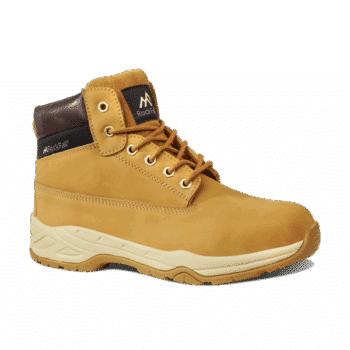
Heavy safety boots can become particularly uncomfortable during hot weather, especially for employees walking significant distances throughout the day.
Where the working environment allows, lightweight safety boots or safety trainers can provide a more comfortable alternative.
Look for breathable materials, lightweight construction, comfortable insoles and the appropriate safety rating for the work being undertaken.
Protection should always come first, but modern safety footwear means comfort and safety don’t necessarily have to be competing priorities.
Summer Workwear for Your Business
If your employees wear branded uniforms, consider creating a dedicated summer workwear package rather than simply removing layers from a winter uniform.
A typical package could include:
- 3–5 lightweight branded T-shirts or polo shirts
- Lightweight work trousers or appropriate work shorts
- Summer-weight hi-vis clothing where required
- Lightweight outerwear for changing weather
- Suitable safety footwear
- Task-specific PPE
This keeps your workforce looking consistent and professional while giving employees clothing better suited to warmer conditions.
Frequently Asked Questions
Can workers remove PPE when it’s hot?
Required PPE shouldn’t simply be removed while the hazard it protects against remains. Employers should instead review working conditions, rest periods and whether alternative PPE can provide the required protection more comfortably.
What is the best workwear for hot weather?
Lightweight, breathable clothing that allows good freedom of movement is generally more comfortable during warmer weather. The clothing still needs to be appropriate for the job and any hazards present.
Can you wear shorts on a construction site?
This will depend on the site rules, work being carried out and risks involved. Some tasks and environments require leg protection, so work shorts aren’t automatically suitable simply because the weather is warm.
Are safety trainers better in summer?
Lightweight safety trainers can be more comfortable in warm weather, provided they offer the level of protection required for the job and working environment.
Does PPE increase the risk of heat stress?
Heavy or restrictive PPE can contribute to heat stress because it may trap body heat and reduce the body’s ability to cool itself. This should be considered when assessing hot working environments.
Prepare Your Workforce for Warmer Weather
Summer workwear is about finding the right balance between comfort, professionalism and protection.
Simply removing PPE isn’t the answer. Choosing lighter clothing, reviewing the equipment being used, allowing employees to layer appropriately and considering how work is organised can all help make hot working conditions more manageable.
At Work & Wear Direct, we supply workwear, branded clothing, hi-vis garments, safety footwear and PPE for businesses throughout the UK. Whether you’re updating your team’s summer uniforms or reviewing the PPE used across your workforce, our team can help you find practical products suited to the job.
Browse our range of workwear and PPE or contact Work & Wear Direct for help preparing your workforce for warmer working conditions.