RPE & Face Fit Testing – What UK Employers Need to Know
 Respiratory Protective Equipment (RPE) is an essential part of workplace protection for many UK businesses. From construction and woodworking to manufacturing, engineering and maintenance, workers can encounter dust, fumes, fibres, mists and other airborne substances that need to be properly controlled.
However, simply providing employees with a box of masks isn’t enough.
Where tight-fitting respiratory protection is required, the equipment needs to be suitable for the hazard, appropriate for the person wearing it and capable of creating an effective seal against their face.
This is where face fit testing becomes particularly important.
With updated HSE guidance on RPE fit testing published in late 2025, now is a good time for employers to review the respiratory protection being used across their workforce.
What Is Respiratory Protective Equipment?
Respiratory Protective Equipment is designed to protect the wearer from breathing in potentially harmful substances.
Depending on the work being carried out, these could include:
- Dust
- Fumes
- Fibres
- Mists
- Sprays
- Gases
- Vapours
- Other airborne contaminants
RPE comes in several different forms, ranging from disposable filtering facepiece respirators through to reusable half masks, full-face respirators and powered respiratory equipment.
The correct choice depends on the substance involved, the concentration, the working environment and the person who will be wearing the equipment.
RPE Shouldn’t Be Your First Line of Defence
An important point for employers to understand is that respiratory protection shouldn’t automatically be the first solution to an airborne hazard.
Where reasonably practicable, exposure should first be prevented or controlled through other measures.
This might involve:
- Eliminating the hazardous substance
- Using a safer alternative
- Changing the working process
- Enclosing the task
- Using local exhaust ventilation
- Reducing the number of people exposed
- Reducing the length of exposure
RPE may then be required where these measures don’t adequately control the remaining risk, or for certain short-duration, maintenance or temporary activities.
Why the Fit of a Respirator Matters
Tight-fitting RPE relies on creating a seal between the mask and the wearer’s face.
If there are gaps around that seal, contaminated air can potentially bypass the filter and enter the mask.
This is why simply buying the same respirator for everyone isn’t necessarily sufficient. People’s faces vary considerably in shape and size, so a mask that fits one employee perfectly may not provide an adequate fit for another.
Face fit testing helps establish whether a particular make, model, type and size of tight-fitting respirator is suitable for the individual wearing it.
What Is Face Fit Testing?

A face fit test checks whether a tight-fitting respirator can achieve an adequate seal against an individual wearer’s face.
Testing should form part of the initial RPE selection process rather than being treated as an afterthought once large quantities of masks have already been purchased.
If an employee uses several different types of tight-fitting facepiece, each type may need to be fit tested.
Once a worker has successfully completed a fit test, they should have access to the same make, model, type and size of facepiece that was used during that successful test.
What’s Changed with the Latest HSE Guidance?
The Health and Safety Executive published revised RPE fit-testing guidance in October 2025.
The updated guidance provides information for employers and people conducting fit tests, covering appropriate testing methods, what a fit test can achieve and the core information that should be included within a fit test report.
The revision also clarifies technical guidance around the sampling ports used during quantitative fit testing.
For businesses already using respiratory protection, the update provides a useful reason to review existing procedures and make sure current RPE arrangements remain appropriate.
Who Should Carry Out Face Fit Testing?
RPE fit testing should be carried out by a competent person with the appropriate training, knowledge and experience.
Employers should therefore make sure whoever they use to conduct testing is suitably competent for the work involved.
Face fit testing isn’t simply about putting on a mask and checking whether it feels tight. It follows established testing procedures designed to determine whether the facepiece achieves an appropriate fit for the individual wearer.
Qualitative vs Quantitative Fit Testing
There are two broad approaches to face fit testing.
Qualitative Fit Testing
Qualitative testing uses the wearer’s ability to detect a test substance while wearing the respirator.
It’s commonly associated with certain types of tight-fitting half masks and filtering facepiece respirators.
Quantitative Fit Testing
Quantitative testing uses specialist equipment to provide a numerical measurement of the effectiveness of the seal.
The appropriate method will depend on the type of RPE being tested and the circumstances in which it will be used.
Face Fit Testing Isn’t the Same as a Daily Fit Check
This distinction is important.
A formal face fit test helps establish that a particular respirator is suitable for an individual wearer.
A fit check should then be carried out by the wearer whenever they put on their tight-fitting RPE, following the manufacturer’s instructions.
Passing a face fit test doesn’t mean employees can simply put the mask on however they like afterwards. Correct fitting remains essential every time the respirator is used.
What About Beards and Stubble?
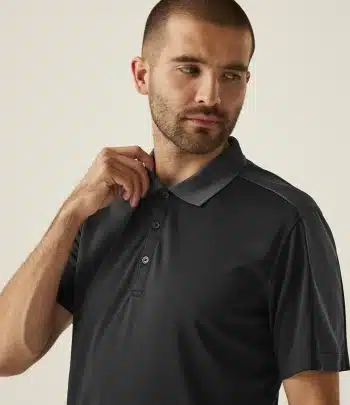
Facial hair is one of the biggest issues with tight-fitting respiratory protection.
Beards and even stubble can interfere with the seal between a tight-fitting facepiece and the skin, potentially allowing contaminated air to leak around the edges.
Workers using tight-fitting masks therefore generally need to be clean-shaven around the area where the respirator seals against the face.
Where somebody has a good reason for maintaining facial hair, alternative forms of RPE that don’t rely on a tight face seal may need to be considered.
Be Careful with Ear Loop Respirators
Another important consideration is how the respirator is secured.
HSE advises against relying on respirators or masks secured using ear loops as tight-fitting workplace RPE. Even products displaying recognised conformity markings may not necessarily provide an adequate fit for the individual wearer.
Businesses using this type of product should therefore review whether the respiratory protection they’re providing is genuinely suitable for its intended purpose.
Does CE or UKCA Marking Mean the Respirator Is Suitable?
Product conformity markings are important, but they don’t automatically mean a particular respirator is suitable for every task or every employee.
Employers still need to select RPE appropriate to:
- The hazardous substance
- The level of exposure
- The work being carried out
- The working environment
- The individual wearer
A certified product can still provide inadequate protection if it’s the wrong type for the hazard or doesn’t fit the person wearing it correctly.
RPE Must Work with Other PPE
Workers rarely wear respiratory protection in isolation.
They may also need:
- Safety glasses
- Goggles
- Face shields
- Hard hats
- Hearing protection
- Protective clothing
These products need to work together without interfering with the fit or performance of each other.
For example, the arms of safety glasses shouldn’t prevent a tight-fitting respirator from achieving the required seal.
Looking at the complete PPE combination rather than selecting each product independently can help avoid compatibility problems.
When Should Face Fit Testing Be Repeated?
Fit testing shouldn’t necessarily be viewed as something that’s completed once and then forgotten about.
A new fit test may be appropriate when changing to a different make, model, type or size of tight-fitting respirator.
Changes to the wearer’s face can also affect the fit.
These might include:
- Significant weight loss or gain
- Substantial dental work
- Facial scarring
- Other significant facial changes around the seal area
Businesses using RPE regularly should have suitable procedures for reviewing their fit-testing arrangements and identifying when repeat testing is necessary.
Don’t Forget Training
Even correctly selected RPE can provide poor protection if employees don’t know how to use it.
Workers should understand:
- Why the RPE is required
- How to put it on correctly
- How to carry out a fit check
- When it should be worn
- How to remove it safely
- How reusable equipment should be cleaned
- How it should be stored
- When filters or equipment need replacing
- How to report damage or defects
Training, supervision and good day-to-day management are just as important as purchasing the correct equipment.
Looking After Reusable RPE

Reusable respiratory equipment needs to be properly maintained if it’s going to continue providing effective protection.
Follow the manufacturer’s instructions for cleaning, inspection, filter replacement and maintenance.
RPE should also be stored correctly when not in use. Leaving masks exposed in dusty vans, workshops or contaminated working areas can allow dirt and other substances to collect on or inside the equipment.
A Simple RPE Review for Employers
If your business currently provides respiratory protection, ask yourself:
- Have we properly assessed the respiratory hazards?
- Could exposure be reduced further before relying on RPE?
- Are we providing the correct type of respirator?
- Has tight-fitting RPE been face fit tested for individual wearers?
- Are workers using the exact make, model, type and size they were tested with?
- Are tight-fitting RPE users clean-shaven around the face seal?
- Does the RPE work correctly alongside other PPE?
- Do employees know how to carry out a fit check?
- Are reusable products properly cleaned and maintained?
- Do we have suitable replacement filters and equipment available?
If you’re answering no or you’re unsure about several of these questions, it may be time to review your RPE arrangements.
Frequently Asked Questions
Does every dust mask need face fit testing?
Where a tight-fitting respirator is being relied upon as RPE, it needs to be suitable for the individual wearer. Face fit testing forms an important part of establishing whether the selected tight-fitting facepiece can provide an adequate fit.
Can someone with a beard wear a tight-fitting respirator?
Facial hair within the sealing area can prevent a tight-fitting respirator from achieving an effective seal. Where facial hair needs to be retained, an alternative type of RPE that doesn’t rely on a tight seal may be more appropriate.
Does a worker need another test when changing mask brands?
A successful fit test relates to the specific facepiece used. If the make, model, type or size changes, the new facepiece should be considered as part of the fit-testing process.
Is face fit testing the employer’s responsibility?
Employers are responsible for ensuring RPE provided for workplace use is adequate and suitable. Where tight-fitting RPE is selected, ensuring an appropriate fit for the individual wearer is an essential part of that process.
Is an FFP3 mask always better than an FFP2?
A higher level of filtration doesn’t automatically make a respirator the correct choice for every situation. RPE should be selected according to the hazard, exposure, task, environment and wearer.
Choosing the Right Respiratory Protection
Effective respiratory protection is about much more than ordering a box of masks.
The right RPE needs to match the hazard, fit the individual wearer correctly, work alongside other PPE and be properly used, maintained and stored.
For employers, reviewing these areas can help identify gaps in existing PPE arrangements and ensure workers are receiving the protection intended.
At Work & Wear Direct, we supply PPE, respiratory protection, protective workwear and workplace safety equipment for businesses throughout the UK.
Browse our PPE range or speak to the Work & Wear Direct team for help selecting suitable workplace protection for your workforce.