10 Common PPE Mistakes UK Businesses Make (and How to Avoid Them)
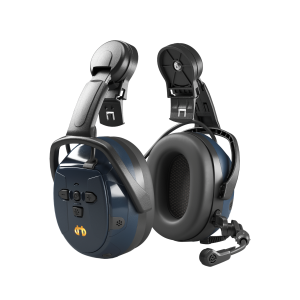
Personal Protective Equipment (PPE) plays an important role in workplace safety, helping protect employees from hazards that cannot be adequately controlled through other measures.
From safety footwear and protective gloves to respiratory protection, helmets and high-visibility clothing, the right equipment can help reduce the risk of workplace injuries and occupational illness.
However, simply purchasing PPE doesn’t automatically mean your workforce is properly protected.
Choosing unsuitable products, overlooking maintenance or failing to consider how different items work together can undermine the protection that equipment is designed to provide.
For UK employers, understanding these common mistakes is an important part of maintaining a safe working environment.
Here are ten PPE mistakes worth avoiding, along with practical steps businesses can take to improve how protective equipment is selected, used and maintained.
1. Choosing PPE Based on Price Rather Than Protection
Every business needs to manage costs, but choosing PPE purely because it’s the cheapest available option can be a mistake.
Protective equipment should be selected according to the hazards employees face, the level of protection required and the environment in which it will be used.
For example, a basic pair of safety trainers may be suitable for one warehouse role but inappropriate for someone working on a demanding construction site where additional underfoot protection or water resistance is needed.
The same applies to gloves, eye protection and respiratory equipment.
How to avoid it: Start with the workplace risk assessment and identify the protective features required before comparing products and prices.
2. Assuming All PPE Offers the Same Protection
Two products that look almost identical can offer very different levels of protection.
Safety footwear is a good example. Different classifications provide different combinations of protective features, including toe protection, puncture resistance, water resistance and other properties.
Protective gloves also vary considerably. A glove designed for general handling won’t necessarily provide suitable protection against chemicals, heat or sharp objects.
Similarly, not every hi-vis garment provides the same level of visibility.
How to avoid it: Check the relevant product standards, classifications and manufacturer information rather than relying solely on appearance or general product descriptions.
3. Providing PPE That Doesn’t Fit Properly

PPE needs to fit the person wearing it.
Footwear that’s too large can affect comfort and stability, while gloves that are too loose may reduce dexterity or introduce additional risks around machinery.
Eye protection that doesn’t fit securely may move out of position, and poorly fitting respiratory protection can seriously compromise the protection provided.
Employers should also recognise that employees have different body shapes, sizes and requirements.
How to avoid it: Provide suitable size options, involve employees in selecting equipment and check that PPE fits correctly before it is issued for use.
4. Forgetting That Different PPE Items Must Work Together
Employees often need to wear several items of PPE at the same time.
A construction worker might need a safety helmet, protective eyewear, hearing protection, gloves and respiratory protection.
However, these products can sometimes interfere with one another.
For example, the arms of safety glasses could affect the seal of a tight-fitting respirator, while certain headwear combinations may interfere with the correct positioning of hearing protection.
Even when each product is suitable individually, the complete combination needs to work properly.
How to avoid it: Check PPE compatibility and make sure employees can wear all required items together without compromising their protective performance.
5. Not Carrying Out Face Fit Testing for Tight-Fitting RPE
Respiratory Protective Equipment (RPE) is particularly important in workplaces where employees may be exposed to hazardous dust, fumes, fibres, mists or other airborne contaminants.
However, providing a respirator with the correct filter rating isn’t enough if the facepiece doesn’t fit the wearer properly.
Tight-fitting respirators rely on an effective seal against the face to provide the intended protection.
Where tight-fitting RPE is required, appropriate face fit testing should form part of the selection process.
Facial hair in the sealing area can also prevent an adequate fit.
How to avoid it: Ensure tight-fitting RPE is properly selected and fit tested for individual wearers, with training on correct fitting and daily fit checks.
6. Failing to Inspect and Replace Worn PPE
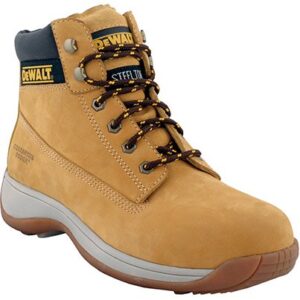
Protective equipment doesn’t last forever.
Regular use, exposure to chemicals, repeated washing, sunlight and general wear can all affect its performance.
Common examples include:
- Safety boots with damaged soles
- Hi-vis clothing with faded reflective materials
- Protective gloves with holes or worn coatings
- Scratched or damaged safety glasses
- Helmets with cracks or damaged suspension systems
- Respirators with worn seals or damaged components
Some PPE also has specific expiry dates, inspection requirements or recommended service lives.
How to avoid it: Follow manufacturer guidance, introduce suitable inspection procedures and replace equipment whenever it can no longer provide the protection required.
7. Not Providing Employees with Proper PPE Training
Even correctly selected PPE can be ineffective if employees don’t know how to use it.
Workers need to understand when equipment is required, how it should be worn and what limitations it has.
Training should also cover how to inspect equipment, identify damage, clean reusable products and report problems.
This is particularly important for specialist PPE such as respiratory protection, fall-protection equipment and certain chemical-resistant products.
How to avoid it: Provide appropriate information, instruction and training whenever PPE is issued, and review training when equipment or working practices change.
8. Using PPE Instead of Addressing the Hazard
One of the most important principles of workplace safety is that PPE should not automatically be the first solution.
Employers should first consider whether hazards can be eliminated or reduced through other control measures.
For example, where workers are exposed to hazardous dust, suitable extraction or changes to the working process may reduce exposure more effectively than relying entirely on respiratory protection.
Likewise, hi-vis clothing should complement appropriate vehicle management and pedestrian segregation rather than replace them.
How to avoid it: Follow the hierarchy of control and use PPE where risks cannot be adequately controlled through other reasonably practicable measures.
9. Modifying PPE Without Checking the Manufacturer’s Guidance
Customising protective clothing with company branding is common, particularly for construction businesses, logistics companies and other organisations with customer-facing employees.
However, certified PPE isn’t necessarily suitable for the same printing or embroidery methods used on ordinary workwear.
Adding large logos to high-visibility clothing, stitching through protective fabrics or modifying specialist garments could affect their performance.
Even seemingly minor alterations can have consequences if they interfere with the equipment’s protective features.
How to avoid it: Only use branding methods and positions approved for the specific protective garment, and avoid unauthorised modifications.
10. Treating PPE as a One-Time Purchase
Workplaces change, employees change roles and protective equipment evolves.
A PPE selection that was appropriate several years ago may no longer be suitable if the business has introduced new machinery, changed working processes or expanded into different environments.
New employees may also require different sizes, designs or alternative equipment.
Employers should therefore treat PPE management as an ongoing responsibility rather than something completed when the initial order arrives.
How to avoid it: Review PPE requirements when workplace risks, tasks, equipment or employee needs change, and maintain suitable arrangements for replacement and ongoing inspection.
What Does UK Law Say About Providing PPE?
 The Personal Protective Equipment at Work Regulations 1992, as amended, set out important employer responsibilities concerning PPE.
Where PPE is required to manage workplace risks, employers must ensure suitable equipment is provided and properly maintained.
Employers also have duties relating to assessing suitability, compatibility, storage, information, instruction and training.
Since April 2022, the regulations have also extended relevant duties to certain workers who are not employees but fall within the category of limb (b) workers.
Required PPE must be provided free of charge to the workers covered by the regulations.
Businesses should also consider the wider requirements of UK health and safety legislation, including their duties to assess and control workplace risks.
How Can Businesses Improve PPE Management?
Managing PPE doesn’t need to be unnecessarily complicated, but having a consistent approach can help prevent avoidable problems.
For businesses employing multiple people, it can be useful to maintain records of the equipment issued, relevant sizes, inspection requirements and replacement needs.
It’s also worth involving employees in the process.
Workers who wear protective equipment every day can often provide valuable feedback about comfort, fit, durability and whether products are practical for the tasks involved.
Encouraging employees to report damaged or unsuitable equipment can help identify problems before they become more serious.
A Practical PPE Checklist for UK Employers
When reviewing your existing PPE arrangements, consider the following questions:
- Have workplace hazards been properly assessed?
- Have other reasonably practicable control measures been considered?
- Does the PPE provide the protection required?
- Does it fit individual workers correctly?
- Can different PPE items be worn together safely?
- Have employees received suitable training?
- Are inspection and maintenance arrangements in place?
- Is damaged or worn equipment replaced promptly?
- Are manufacturer instructions being followed?
- Are PPE requirements reviewed when workplace conditions change?
If you’re unsure about several of these areas, it may be time to review how protective equipment is selected and managed within your business.
Frequently Asked Questions
Who is responsible for providing PPE at work?
Employers are responsible for providing suitable PPE where it is required under the applicable regulations. The duties also extend to certain limb (b) workers, depending on their working arrangements.
Can employees be charged for PPE?
Where PPE is required under the Personal Protective Equipment at Work Regulations, employers must provide it free of charge to the workers covered by those duties.
Does PPE need to be CE or UKCA marked?
PPE supplied for use in Great Britain must meet applicable product requirements. Depending on the relevant legislation and conformity arrangements, CE or UKCA marking may be accepted. Employers should also ensure the product is suitable for its intended workplace use.
How often should PPE be inspected?
Inspection frequency depends on the equipment, how it’s used, the hazards involved and the manufacturer’s instructions. Some PPE requires checks before every use, while other products may also need scheduled inspections by a competent person.
Can employees use their own PPE?
Employers remain responsible for ensuring PPE used for work is suitable, properly maintained and compatible with other equipment. Allowing employees to use their own products does not remove those responsibilities.
What happens if PPE doesn’t fit properly?
Poorly fitting PPE may fail to provide the intended protection or introduce additional risks. Employers should assess the issue and provide suitable alternatives where necessary.
Choose PPE That Works for Your Workforce
Effective PPE management involves much more than purchasing protective equipment.
The right products need to be selected for the hazards involved, fit employees correctly, work alongside other protective equipment and remain suitable throughout their working life.
By avoiding these common mistakes, businesses can improve their approach to workplace protection while helping employees remain comfortable and properly equipped.
At Work & Wear Direct, we supply safety footwear, high-visibility clothing, protective gloves, respiratory protection, branded workwear and PPE for businesses throughout the UK.
Whether you’re reviewing existing equipment, replacing worn products or arranging PPE for a growing workforce, our team can help you explore suitable options for your requirements.
Browse our range of workwear and PPE or contact Work & Wear Direct to discuss your workplace clothing and protective equipment requirements.