Are You Washing Your Workwear Wrong? 9 Mistakes That Could Be Ruining Your Uniform
 Workwear takes a beating. From muddy construction sites and dusty workshops to busy kitchens, warehouses and outdoor environments, it’s designed to handle conditions that ordinary everyday clothing rarely encounters.
But there’s one thing that can shorten the life of your workwear surprisingly quickly: washing it incorrectly.
High temperatures, excessive detergent, unsuitable drying methods and even the way you load your washing machine can affect how long your work clothes last.
And when you’re dealing with branded uniforms, waterproof jackets or high-visibility clothing, incorrect washing can cause more than just fading. In some cases, it can affect the garment’s protective performance.
So, are you accidentally ruining your workwear every time you put a wash on?
Here are nine common mistakes worth avoiding.
1. Washing Everything at the Same Temperature
It’s tempting to throw all your work clothes into the washing machine and select the hottest setting, particularly when garments are covered in dirt, grease or stubborn stains.
However, different fabrics and garments have different care requirements.
Some cotton-rich workwear can tolerate relatively high washing temperatures, while other garments contain synthetic fibres, stretch panels, waterproof membranes or specialist coatings that may be damaged by excessive heat.
High temperatures can also contribute to shrinkage, fading and deterioration of certain printed designs.
What to do instead: Check the garment’s care label before washing. Where several items are being washed together, make sure the selected programme is suitable for every garment in the load.
2. Using More Detergent Than You Need
More detergent must mean cleaner workwear, right?
Not necessarily.
Using excessive detergent can leave residue in fabrics, particularly when garments aren’t rinsed thoroughly.
This may affect how clothing feels against the skin and can sometimes interfere with the performance of specialist fabrics.
For certain waterproof and technical garments, manufacturers may recommend particular cleaning products or advise against standard detergents containing specific additives.
What to do instead: Follow the detergent manufacturer’s dosage instructions and any garment-specific cleaning guidance. Use a suitable product for the fabric rather than simply adding more.
3. Putting Branded Workwear Straight into a Hot Tumble Dryer

When you need a clean uniform ready for the next morning, the tumble dryer can seem like the obvious solution.
However, high drying temperatures can damage some garments and branding applications.
Printed logos may crack, peel or deteriorate when repeatedly exposed to unsuitable heat, while certain fabrics can shrink or lose their shape.
Embroidery is generally durable, but the underlying garment still needs to be cared for correctly.
What to do instead: Check whether tumble drying is permitted. Where possible, use the recommended drying method and avoid exposing printed areas to unnecessary heat.
4. Treating Hi-Vis Clothing Like Ordinary Laundry
High-visibility clothing isn’t simply a brightly coloured jacket or waistcoat.
Certified hi-vis garments use fluorescent and retroreflective materials designed to make the wearer more visible in appropriate lighting conditions.
Repeated washing, incorrect detergents and unsuitable drying methods can contribute to deterioration of these materials.
Some garments also have manufacturer-specified maximum cleaning cycles or other care restrictions.
Damaged reflective tape, faded fluorescent fabric and persistent contamination can all reduce the effectiveness of high-visibility clothing.
What to do instead: Follow the manufacturer’s cleaning instructions, inspect garments regularly and replace hi-vis clothing when it can no longer provide the visibility required for the job.
Remember, a hi-vis jacket that still looks wearable isn’t necessarily providing the same protective performance it did when new.
5. Using Fabric Conditioner on Technical Workwear
Fabric conditioner might leave ordinary clothes feeling softer, but it isn’t always suitable for technical workwear.
Some performance fabrics rely on specific surface treatments or moisture-management properties that may be affected by fabric conditioners.
This can be particularly relevant for waterproof outerwear, breathable garments and certain specialist protective clothing.
Not every workwear product has the same restrictions, so it’s important not to assume that one cleaning method works for everything.
What to do instead: Check the care label and manufacturer guidance before adding fabric conditioner, particularly when washing waterproof, breathable or certified protective garments.
6. Leaving Mud, Grease and Dirt on Clothing for Days
After a long shift, washing workwear probably isn’t the first thing on your mind.
However, leaving heavily soiled clothing sitting in a bag or laundry basket for extended periods can make cleaning more difficult.
Dried mud may become embedded in fabrics, while grease and other contaminants can require specialist treatment.
It’s also important to distinguish between ordinary dirt and potentially hazardous contamination.
Workwear contaminated with substances such as asbestos, certain chemicals or biological hazards must be handled according to the appropriate workplace procedures and should not simply be taken home for normal domestic washing.
What to do instead: Remove loose dirt where safe and appropriate, deal with ordinary stains promptly and follow workplace procedures for contaminated clothing.
7. Overloading the Washing Machine
Workwear is often bulkier and heavier than everyday clothing, especially when washing work trousers, sweatshirts and jackets.
Overloading the washing machine can prevent garments from moving freely and being rinsed properly.
This may leave dirt and detergent residue behind, particularly in thicker fabrics.
Heavy items can also become awkward to wash together with lighter garments.
What to do instead: Leave enough room for clothing to move during the wash and follow the machine manufacturer’s loading guidance.
For particularly bulky jackets or heavy-duty workwear, smaller loads may produce better results.
8. Ignoring Waterproof Jackets Until They Start Leaking
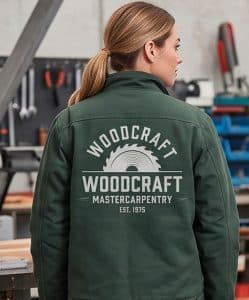
Waterproof workwear needs appropriate care to maintain its performance.
Over time, dirt, wear and repeated washing can affect the garment’s water-repellent finish, while physical damage can compromise seams or waterproof membranes.
Some waterproof jackets can benefit from cleaning and reproofing using products approved by the manufacturer.
However, reproofing isn’t a cure for every problem. A jacket with damaged seams, torn fabric or a compromised waterproof membrane may need professional repair or replacement.
What to do instead: Clean waterproof workwear according to the manufacturer’s instructions, inspect it for damage and follow any recommended reproofing procedures.
9. Forgetting to Check the Garment After Washing
Most people inspect workwear when they first buy it, but how often do they check it afterwards?
Washing provides a useful opportunity to spot signs of deterioration that might otherwise go unnoticed.
Look out for:
- Loose or damaged stitching
- Holes and thinning fabric
- Damaged zips and fastenings
- Peeling or cracked printed logos
- Loose embroidery threads
- Damaged reflective tape
- Faded fluorescent materials
- Worn waterproof coatings or damaged seams
For ordinary branded workwear, these issues may affect appearance and comfort.
For certified PPE, damage may affect the garment’s protective performance and could mean it needs to be removed from use.
What to do instead: Make checking workwear part of your normal laundry routine, particularly when dealing with protective clothing.
Does Embroidered Workwear Last Longer Than Printed Workwear?
It’s a common question, particularly for businesses ordering uniforms that will be washed regularly.
Both embroidery and printing can provide durable branding when applied correctly to suitable garments.
Embroidery uses stitching to create the design and is often chosen for polo shirts, sweatshirts, fleeces and jackets.
Printing can be ideal for larger designs, detailed artwork and lightweight garments.
However, the durability of either method depends on factors including the garment material, branding technique, application quality and laundering conditions.
A well-produced printed logo that’s cared for correctly may last extremely well, while even embroidered clothing can deteriorate if the garment itself is washed or dried incorrectly.
For businesses, choosing suitable garments and following the recommended care instructions is just as important as selecting the branding method.
A Simple Workwear Washing Routine
You don’t need a complicated laundry system to look after everyday workwear. A few simple habits can help keep uniforms in better condition.
Before Washing
- Check care labels.
- Separate garments with different washing requirements.
- Empty pockets and close zips or fastenings where recommended.
- Remove loose dirt where appropriate.
- Check for damage and unusual contamination.
During Washing
- Use a suitable programme and temperature.
- Measure detergent correctly.
- Avoid fabric conditioners where prohibited.
- Don’t overload the machine.
- Follow specialist cleaning instructions for protective clothing.
After Washing
- Dry garments using the recommended method.
- Check printed and embroidered branding.
- Inspect reflective materials and protective features.
- Store clean clothing somewhere dry and suitable.
- Replace garments that are no longer fit for purpose.
Why Looking After Workwear Matters for Businesses
For businesses providing uniforms to employees, garment care can have a noticeable effect on how professional a team looks.
Faded polo shirts, damaged logos and worn jackets can create an inconsistent appearance, particularly for employees who regularly visit customers or work on commercial premises.
Providing staff with clear washing instructions can help maintain a more consistent standard across the workforce.
It’s also worth choosing garments suited to the reality of the job. A uniform worn every day in a demanding environment needs different qualities from clothing used occasionally for customer meetings or promotional events.
For businesses operating across multiple locations, selecting consistent garment ranges and providing appropriate care guidance can make uniform management more straightforward.
When Is It Better to Replace Workwear Rather Than Repair It?
Not every damaged garment needs to be thrown away immediately.
For ordinary clothing, minor issues such as a loose button or small seam repair may be straightforward to fix.
However, replacement may be more appropriate when fabric has become excessively worn, garments no longer fit correctly or branding has deteriorated beyond an acceptable standard.
Certified protective clothing requires additional care. Repairs and alterations must not compromise its protective properties, and any work should follow the manufacturer’s instructions.
If protective equipment can no longer provide the required level of protection, it should be removed from use and replaced.
Good Workwear Deserves Proper Care
Workwear is designed to cope with demanding conditions, but that doesn’t mean it should be treated carelessly.
Small changes to your washing routine can help preserve garment appearance, reduce unnecessary wear and keep branded uniforms looking professional for longer.
And when it comes to specialist protective clothing, following the correct care instructions is an important part of maintaining the protection employees rely on.
At Work & Wear Direct, we supply durable workwear, branded uniforms, high-visibility clothing, waterproof jackets and PPE for businesses throughout the UK.
Whether you’re replacing worn uniforms or looking for practical clothing designed for regular workplace use, our team can help you explore suitable options.
Explore our workwear range or contact Work & Wear Direct for help choosing clothing and branded uniforms for your business.