Autumn & Winter Workwear Checklist for UK Businesses
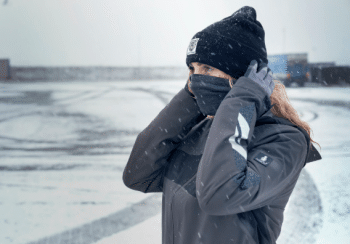
British weather can be unpredictable at the best of times, but autumn and winter create particular challenges for businesses with employees working outdoors, travelling between sites or spending time in cold environments.
Rain, wind, shorter daylight hours and falling temperatures can quickly expose gaps in a company’s workwear. Waiting until the first really cold or wet week to order winter clothing can also leave employees trying to make do with workwear that isn’t suitable for the conditions.
Late summer and early autumn are therefore ideal times to review your team’s workwear and PPE, replace worn items and make sure everyone has suitable clothing ready for the months ahead.
From waterproof jackets and fleeces to winter hi-vis and safety footwear, here’s our practical autumn and winter workwear checklist for UK businesses.
Start with Your Existing Workwear
Before ordering anything new, take a look at what your employees already have.
Workwear that was perfectly serviceable at the end of last winter may have since been worn, damaged or lost. Waterproof garments can deteriorate, safety footwear can wear down and jackets that have been washed repeatedly may no longer perform as well as expected.
Check items for:
- Damage and excessive wear
- Broken zips and fastenings
- Worn or damaged soles
- Faded high-visibility materials
- Damaged reflective areas
- Poorly fitting garments
- Waterproof clothing that is no longer performing properly
- Missing or damaged PPE
Doing this before colder weather arrives gives you time to replace anything that’s no longer suitable.
Build a Layered Workwear System
When temperatures fall, simply giving everyone the thickest jacket available isn’t necessarily the most comfortable solution.
Layering allows workers to adapt their clothing as temperatures and activity levels change throughout the day.
A practical winter workwear system could consist of:
- A comfortable base layer
- Branded polo shirt or T-shirt
- Sweatshirt, hoodie or fleece
- Softshell jacket
- Waterproof outer layer when required
Employees can then add or remove appropriate layers as working conditions change.
This is particularly useful for tradespeople who might spend part of the day working outside before moving into a heated home, warehouse, workshop or office.
Fleeces, Hoodies and Sweatshirts
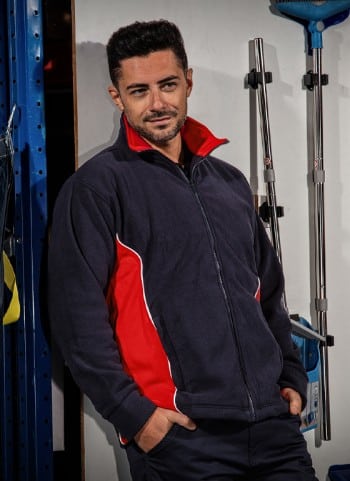
A good mid-layer is one of the most useful additions to an autumn and winter workwear package.
Fleeces provide warmth without excessive weight, while hoodies and sweatshirts are comfortable options for general everyday work.
They’re also ideal garments for company branding. Adding an embroidered logo means your business remains clearly represented even when employees cover their summer polo shirts and T-shirts.
For businesses ordering uniforms for an entire workforce, providing at least one or two branded mid-layers per employee can make a significant difference during colder months.
Softshell Jackets for Changing Conditions
Softshell jackets have become extremely popular across construction, engineering, logistics and other trades because of their versatility.
They’re generally lighter and less restrictive than traditional winter coats while providing useful protection from wind and light rain.
They’re particularly suited to employees who regularly move between indoor and outdoor environments.
Embroidered softshell jackets can also look very professional, making them an excellent option for engineers, delivery teams and tradespeople regularly visiting customers.
Invest in Proper Waterproof Workwear
There’s a significant difference between a jacket that can cope with a brief shower and clothing designed for employees who regularly work outside in wet conditions.
For outdoor workers, quality waterproof clothing can make a difficult winter working day considerably more manageable.
Depending on the job, consider:
- Waterproof jackets
- Waterproof overtrousers
- Water-resistant work trousers
- Waterproof safety footwear
- Hi-vis waterproof jackets
Breathability is also worth considering. Physically demanding work can generate considerable body heat even during winter, so clothing needs to protect against rain without becoming unnecessarily uncomfortable.
Winter Hi-Vis Clothing
Autumn doesn’t just bring colder weather. It also brings rapidly shortening days.
Workers who previously carried out most of their duties in daylight may suddenly find themselves starting or finishing work in much darker conditions.
For workplaces where high-visibility clothing is required, this is a good time to review the garments being used.
Winter options can include:
- Hi-vis bomber jackets
- Hi-vis waterproof coats
- Hi-vis fleeces
- Hi-vis sweatshirts
- Hi-vis trousers
- Long-sleeved hi-vis tops
The appropriate garment and visibility class should always be selected according to the working environment and relevant risk assessment.
Check Reflective Areas for Wear
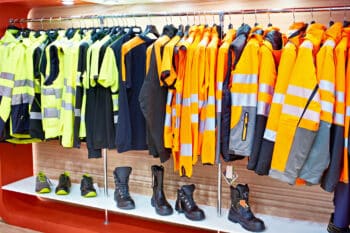 Don’t assume an old hi-vis jacket is still performing properly simply because it’s fluorescent yellow or orange.
Repeated wear, washing and exposure to dirt can affect the condition of both the fluorescent material and reflective areas.
Inspect hi-vis garments regularly and replace items that are excessively dirty, damaged, faded or no longer provide the required visibility.
Winter Safety Footwear
Wet and cold conditions can place additional demands on safety footwear.
For employees working outdoors, autumn is a good opportunity to inspect existing boots and consider whether they’re suitable for another winter.
Features worth looking for include:
- Water-resistant or waterproof construction
- Suitable slip resistance
- Durable outsoles
- Protective toe caps
- Puncture resistance where required
- Ankle support
- Comfortable cushioning
- Appropriate safety ratings for the job
A boot that’s comfortable during dry summer conditions may not necessarily be the best choice for someone spending eight hours outside in cold, wet weather.
Don’t Forget Work Socks
They’re easily overlooked, but decent work socks can make safety footwear considerably more comfortable during colder weather.
Winter-weight socks can provide additional warmth and cushioning, particularly for workers spending long periods outdoors.
It’s important not to make footwear excessively tight, however. Boots should still fit correctly when worn with the socks employees intend to use throughout winter.
Gloves for Cold and Wet Conditions
Cold hands aren’t just uncomfortable. They can make detailed manual tasks more difficult.
Different jobs require very different forms of hand protection, so businesses should consider both the weather and the hazards involved.
Depending on the work, options may include:
- Thermal work gloves
- Water-resistant gloves
- Grip gloves
- Cut-resistant gloves
- General handling gloves
Always make sure gloves provide the appropriate protection for the task rather than choosing solely based on warmth.
Branded Winter Workwear Keeps Your Business Visible
One common branding mistake is investing in embroidered polo shirts and T-shirts but leaving winter outerwear completely unbranded.
As soon as temperatures fall, the company logo disappears underneath a fleece or jacket.
Adding your branding to suitable outerwear means employees continue presenting a consistent company image throughout the year.
Popular options for winter branding include:
- Fleeces
- Softshell jackets
- Hoodies
- Sweatshirts
- Bodywarmers
- Jackets
- Selected hi-vis garments
For tradespeople visiting customers, smart branded outerwear can make a particularly strong first impression.
Consider Employees Who Drive Between Jobs
Not every employee needs the heaviest winter jacket available.
Engineers, delivery drivers, surveyors and tradespeople who spend significant amounts of time travelling between jobs may benefit from lighter layers that are comfortable both inside and outside the vehicle.
Softshell jackets, fleeces and bodywarmers can work particularly well in these situations, with a waterproof outer layer kept available when conditions require it.
Think About Your Working Environment

There’s no single winter uniform that’s right for every business.
A warehouse employee, construction worker, delivery driver and heating engineer may all need completely different clothing even though they’re working in the same weather.
Before ordering, consider:
- How much time employees spend outdoors
- How physically demanding their work is
- Whether they regularly move between different temperatures
- How exposed they are to rain and wind
- Whether high-visibility clothing is required
- What PPE needs to be worn alongside their clothing
This makes it easier to build a workwear package around what employees actually need rather than simply ordering the same winter coat for everybody.
Autumn Is a Good Time for a PPE Check
Your seasonal workwear review is also an ideal opportunity to inspect the wider PPE used across your workforce.
Take a look at:
- Safety footwear
- Protective gloves
- Hard hats
- Eye protection
- Hearing protection
- Respiratory protection
- High-visibility garments
Check for wear or damage and confirm that employees still have the correct equipment for the tasks they’re carrying out.
It’s much easier to identify and replace worn equipment during a planned review than discover something is missing when it’s urgently needed.
Plan Ahead for New Starters and Replacements
If you manage a larger team, think beyond what employees need today.
Keeping a small amount of commonly used workwear available can make dealing with new starters, damaged garments and unexpected replacements much easier.
It can also be useful to maintain an up-to-date record of employee sizes, particularly when you’re ordering branded clothing.
Planning ahead reduces last-minute orders and helps maintain a consistent appearance across your workforce.
A Simple Winter Workwear Checklist
Before autumn turns into winter, check whether your workforce has suitable:
- Branded polo shirts and T-shirts
- Warm base layers
- Fleeces, hoodies or sweatshirts
- Softshell jackets
- Waterproof jackets
- Waterproof trousers where required
- Winter hi-vis clothing
- Safety boots or footwear
- Suitable work socks
- Protective gloves
- Task-specific PPE
What each employee actually needs will depend on their role, but carrying out this simple review before colder weather arrives can prevent problems later.
Frequently Asked Questions
When should businesses order winter workwear?
Late summer and early autumn are sensible times to review and order winter workwear. This gives businesses time to identify damaged garments, confirm employee sizes and arrange branded clothing before colder and wetter weather arrives.
What is the best workwear for cold weather?
Layering is often the most practical approach. A comfortable base layer combined with a polo or T-shirt, fleece or sweatshirt and suitable outer jacket allows workers to adapt as temperatures and activity levels change.
Should winter jackets be branded?
For customer-facing businesses, branded outerwear helps maintain a consistent professional appearance when polo shirts and other branded garments are covered during colder weather.
Does hi-vis clothing need replacing?
Yes. Hi-vis garments should be inspected and replaced when wear, damage, fading or contamination means they no longer provide the level of visibility required for the work.
Are waterproof safety boots better for winter?
Waterproof or water-resistant safety footwear can be particularly useful for people regularly working outdoors in wet conditions. The footwear must still provide the appropriate protection and safety rating required for the job.
Get Your Workforce Ready for Autumn & Winter
Preparing early for autumn and winter means your employees aren’t left trying to cope with cold, wet conditions in clothing designed for summer.
Review what you already have, replace worn garments and build a practical layered system around the environments your employees actually work in.
At Work & Wear Direct, we supply workwear, branded clothing, waterproofs, hi-vis garments, safety footwear and PPE for businesses throughout the UK. Whether you’re ordering winter clothing for a small team or preparing an entire workforce for the colder months, we can help you choose suitable products for the job.
Browse our autumn and winter workwear range or contact the Work & Wear Direct team for help getting your workforce ready for the colder months.