How Often Should Workwear and PPE Be Replaced?
Workwear and Personal Protective Equipment (PPE) are essential for businesses across construction, manufacturing, engineering, logistics and many other industries. But how often should they actually be replaced?
It’s a question that many employers face, particularly when managing uniforms and protective equipment for larger teams.
Some workwear can remain perfectly serviceable for years, while other items may need replacing after a relatively short period. The difference often comes down to how frequently the clothing is worn, the conditions it’s exposed to and whether it still provides the protection required.
Understanding when to replace workwear and PPE can help businesses maintain a professional appearance, protect employees and avoid unnecessary expenditure.
Is There a Legal Replacement Period for PPE?
In the UK, there isn’t one universal replacement schedule covering every type of PPE.
Under the Personal Protective Equipment at Work Regulations, employers must ensure that suitable PPE is provided where required and that it is properly maintained, including being replaced when necessary.
Some products have specific manufacturer instructions, expiry dates or defined service lives. Others need to be replaced according to their condition, use and the hazards they’re intended to protect against.
This means employers should follow the manufacturer’s guidance, carry out appropriate inspections and replace equipment whenever it can no longer provide the required protection.
When Should Everyday Workwear Be Replaced?
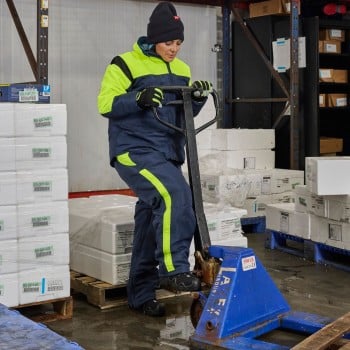 Ordinary workwear such as polo shirts, T-shirts, sweatshirts and trousers doesn’t necessarily need replacing at fixed intervals.
However, clothing that is worn and washed regularly will eventually begin to show signs of deterioration.
Common indicators include:
- Thinning or damaged fabric
- Holes and tears
- Broken zips or fastenings
- Stretched collars or cuffs
- Excessive fading
- Damaged seams
- Garments that no longer fit correctly
For customer-facing businesses, appearance is another consideration. Clothing that’s heavily faded, stained or damaged may no longer present the professional image you want associated with your company.
How Long Should Work Trousers Last?
Work trousers are often subjected to more demanding conditions than other everyday clothing.
Construction workers, plumbers, electricians, engineers and other tradespeople regularly bend, kneel and work against rough surfaces, placing additional stress on the fabric and stitching.
Areas particularly prone to wear include the knees, pockets, seams and lower legs.
Reinforced trousers and garments with suitable stretch panels can provide improved durability and comfort, but even quality work trousers will eventually need replacing.
Rather than relying on a fixed replacement date, inspect trousers regularly and replace them when damage, excessive wear or poor fit makes them unsuitable for continued use.
When Should High-Visibility Clothing Be Replaced?
High-visibility clothing is designed to help make workers more visible in environments where being seen is particularly important.
Over time, repeated washing, dirt, sunlight and general wear can affect the condition of the fluorescent fabric and retroreflective materials.
Warning signs include:
- Faded fluorescent colours
- Damaged or peeling reflective tape
- Persistent dirt that cannot be removed
- Torn or heavily worn fabric
- Missing reflective sections
- Damage affecting the garment’s protective performance
Hi-vis clothing should be inspected and replaced when it no longer provides the visibility required for the working environment.
Always follow the garment manufacturer’s care and replacement instructions, including any specified maximum number of cleaning cycles.
How Often Should Safety Boots Be Replaced?
 Safety footwear can experience significant wear, particularly when employees spend long periods walking, climbing, kneeling or working on rough surfaces.
There’s no single replacement period suitable for every pair of safety boots.
Instead, check for:
- Worn or damaged soles
- Reduced tread or grip
- Cracked or split uppers
- Exposed protective components
- Damaged stitching
- Compromised waterproofing
- Loose or damaged soles
- Damage following an impact or puncture incident
If safety footwear has suffered an impact or other event that may have damaged its protective components, it should be assessed and replaced where necessary, even if the damage isn’t immediately visible.
Comfort is also important. Footwear that no longer fits or supports the wearer properly may need replacing.
When Should Safety Helmets Be Replaced?
Safety helmets are an important part of head protection across construction, industrial and engineering environments.
However, different helmet designs and materials can have different recommended service lives.
Always check the manufacturer’s instructions and any relevant expiry or replacement information.
A safety helmet should also be replaced following a significant impact or whenever inspection identifies damage that could compromise its protective performance.
Signs to watch for include cracks, deformation, damaged suspension systems and deterioration of the shell.
Don’t assume a helmet is safe simply because the outside looks reasonably clean.
How Often Should Protective Gloves Be Replaced?
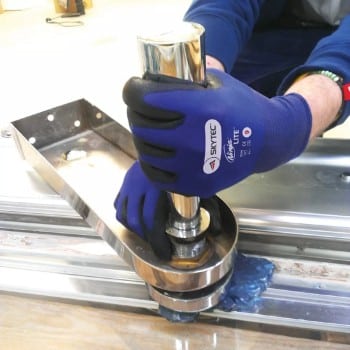 Glove replacement depends heavily on the type of protection required and the work being carried out.
General handling gloves may gradually wear through with regular use, while chemical-resistant gloves can become unsuitable due to contamination, degradation or exposure to substances that affect their protective properties.
Look for signs such as:
- Holes or tears
- Worn gripping surfaces
- Loss of flexibility
- Damaged coatings
- Visible chemical degradation
- Contamination that cannot be safely removed
Disposable gloves should be used and replaced according to their intended purpose and the relevant task requirements.
For specialist protective gloves, always follow the manufacturer’s guidance and the findings of the workplace risk assessment.
When Should Safety Glasses and Goggles Be Replaced?
Eye protection is often overlooked during routine PPE inspections.
However, scratched, damaged or poorly fitting safety glasses can affect visibility and may no longer provide the protection intended.
Replace eye protection when:
- Lenses are heavily scratched or damaged
- Frames are cracked
- Protective components are missing
- Goggles no longer fit securely
- Straps or seals have deteriorated
- Impact or chemical exposure may have compromised protection
Keeping spare eye protection available can make it easier to replace damaged items promptly.
Respiratory Protection Requires Particular Attention
 Respiratory Protective Equipment (RPE) needs to be suitable for the hazard and maintained in accordance with the manufacturer’s instructions.
Disposable respirators must be replaced according to their intended use, condition and manufacturer guidance.
Reusable respirators require appropriate inspection, cleaning, maintenance and filter replacement.
Filters should be changed according to a suitable replacement schedule based on the equipment, contaminant, exposure and manufacturer’s guidance. Visible dirt or difficulty breathing should not be relied upon as the only indicators.
Tight-fitting respirators must also continue to fit the individual wearer correctly.
Can Waterproof Workwear Lose Its Protection?
Yes. Waterproof clothing can deteriorate through regular use, washing, abrasion and general ageing.
Jackets and trousers may eventually begin allowing water through seams, damaged fabric or worn areas.
Some garments can benefit from appropriate cleaning or reproofing, depending on their construction and the manufacturer’s recommendations.
However, clothing that can no longer provide the weather protection required should be repaired appropriately or replaced.
Does Washing Workwear Too Often Damage It?
Regular washing is important for hygiene and appearance, but incorrect washing can shorten the life of workwear.
Excessively high temperatures, unsuitable detergents and incorrect drying methods may damage fabrics, logos and protective finishes.
For branded uniforms, following the garment’s care instructions can help preserve both the clothing and its printed or embroidered branding.
Specialist protective garments may have additional cleaning requirements that must be followed to maintain their protective properties.
Should Businesses Keep Spare Workwear and PPE?
For businesses managing multiple employees, keeping a sensible supply of replacement clothing and commonly used PPE can help avoid unnecessary delays.
This is particularly useful for items that are frequently damaged or worn out, such as gloves, safety glasses and everyday workwear.
Having spare garments available can also help when new employees join or existing staff require different sizes.
However, specialist PPE should always be selected for the individual wearer and the task rather than issued simply because an item happens to be available.
Create a Simple Workwear Replacement System
Businesses don’t necessarily need complicated software or lengthy procedures to manage everyday workwear.
A straightforward system could include:
- Recording which garments and PPE have been issued
- Keeping employee sizes up to date
- Following manufacturer inspection and replacement guidance
- Encouraging employees to report damaged items
- Scheduling appropriate PPE inspections
- Keeping essential replacement items available
- Reviewing uniform requirements when employees change roles
For larger workforces, a consistent process can help reduce administration and ensure replacement requirements aren’t overlooked.
Why Consistent Workwear Matters for Your Business
Replacing damaged workwear isn’t only about comfort and practicality.
For customer-facing businesses, employees are often the most visible representation of the company.
A team wearing clean, well-fitting branded clothing can create a much stronger impression than one wearing a mixture of faded, damaged or inconsistent uniforms.
This is particularly relevant for tradespeople, engineers, delivery teams, hospitality staff and other employees who regularly interact with customers.
Maintaining a consistent uniform also makes it easier for customers to recognise your team.
Frequently Asked Questions
Does PPE have an expiry date?
Some PPE products have expiry dates, recommended service lives or specific replacement requirements. Others must be replaced according to their condition, use and manufacturer instructions. Always check the guidance for the individual product.
How often should hi-vis clothing be replaced?
Hi-vis clothing should be replaced when damage, fading, contamination or deterioration means it can no longer provide the required visibility. Manufacturer care instructions and any stated cleaning limits should also be followed.
How long should safety boots last?
The lifespan of safety footwear depends on the working environment, frequency of use, construction and condition. Boots should be inspected regularly and replaced when wear or damage compromises their suitability or protective performance.
Can damaged PPE be repaired?
Some equipment may be repaired or maintained in accordance with the manufacturer’s instructions, but unauthorised repairs or modifications can compromise protection. Damaged PPE should not be used unless it has been properly assessed and confirmed suitable.
Should employers replace worn workwear?
Employers must ensure that PPE required for workplace safety remains suitable and properly maintained, including replacement when necessary. Ordinary company uniform replacement arrangements will depend on the employer’s policies and any relevant contractual requirements.
Keep Your Workforce Properly Equipped
There’s no universal answer to how often workwear and PPE should be replaced.
The important thing is to regularly assess the condition of clothing and protective equipment, follow manufacturer guidance and replace items when they are no longer suitable for the job.
For businesses, taking a proactive approach can help maintain employee comfort, workplace safety and a consistent professional appearance.
At Work & Wear Direct, we supply branded workwear, safety footwear, high-visibility clothing and PPE for businesses throughout the UK.
Whether you’re replacing worn uniforms, updating your team’s clothing or arranging new protective equipment, we can help you find suitable products for your workforce.
Explore our workwear and PPE range or contact Work & Wear Direct for help with your next order.