How to Choose the Right Safety Boots for Your Job
Choosing the right safety boots is about much more than simply picking a pair that fits. The right footwear can help prevent injuries, improve comfort throughout the working day and ensure you comply with workplace health and safety requirements.
Whether you work on a busy construction site, in a warehouse, on a factory floor or spend long hours working outdoors, your feet are exposed to a variety of hazards every day. Wearing the correct safety footwear helps reduce the risk of injury while making physically demanding jobs more comfortable.
With so many styles, safety ratings and materials available, finding the right pair can feel overwhelming. This guide explains everything you need to consider before buying safety boots, helping you choose footwear that offers the perfect balance of protection, comfort and durability.
Why Safety Boots Matter
Your feet support you for every step of the working day, so investing in quality safety boots is an investment in both your wellbeing and your productivity.
Safety boots are designed to protect against common workplace hazards including falling objects, sharp materials, slippery surfaces, heavy machinery and challenging weather conditions. They can also reduce fatigue by providing better support and cushioning during long shifts.
For many industries, wearing suitable safety footwear isn’t just recommended – it’s an essential part of workplace safety.
Who Needs Safety Boots?
Safety footwear is commonly worn across a wide range of industries, including:
- Construction
- Building and maintenance
- Warehousing and distribution
- Manufacturing
- Engineering
- Agriculture
- Landscaping
- Logistics and transport
- Utilities
- Facilities management
Even if your role isn’t physically demanding all day, there may still be risks that make protective footwear a sensible choice.
Understanding Safety Ratings
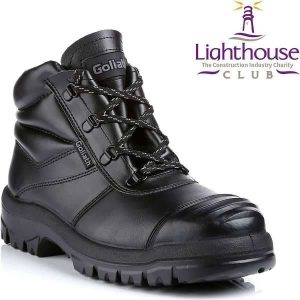 One of the most important things to consider is the safety rating of your footwear. These ratings indicate the level of protection a boot offers and help ensure it is suitable for your working environment.
Some of the most common ratings include:
- S1 – Basic toe protection with anti-static properties and energy-absorbing heel.
- S1P – Includes all S1 features plus midsole penetration resistance.
- S2 – Suitable for wetter environments with additional water resistance.
- S3 – One of the most popular choices, combining toe protection, water resistance and puncture-resistant midsoles.
- S5 – Heavy-duty waterproof safety wellingtons for demanding outdoor environments.
If you’re unsure which rating is right for your job, it’s always worth seeking professional advice before purchasing.
Steel Toe or Composite Toe?
Modern safety footwear generally uses either steel toe caps or composite materials to protect your feet from impact.
Steel Toe Boots
Steel toe boots remain one of the most popular choices thanks to their exceptional strength and durability. They provide excellent protection against heavy impacts and are often preferred on construction sites and industrial environments.
However, they are usually heavier than composite alternatives.
Composite Toe Boots
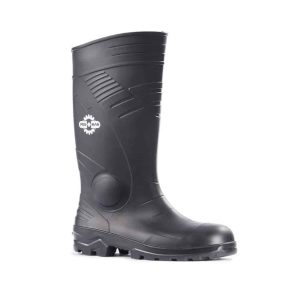 Composite safety boots use lightweight materials such as fibreglass, carbon fibre or Kevlar instead of steel.
Benefits include:
- Lighter weight
- More comfortable for long shifts
- Non-metallic construction
- Ideal for airport security or electrical environments
- Excellent thermal insulation in hot and cold conditions
Many workers now prefer composite footwear because it offers excellent protection while reducing fatigue throughout the day.
Comfort Is Just as Important as Protection
A safety boot may meet every required safety standard, but if it’s uncomfortable, you’re unlikely to wear it properly.
Look for features such as:
- Cushioned insoles
- Shock-absorbing heels
- Breathable linings
- Flexible soles
- Padded ankle support
- Lightweight construction
If you’re on your feet for eight to twelve hours a day, these features can make a significant difference to comfort and productivity.
Choosing the Right Sole
The sole of your safety boot should match the environment in which you work.
Different sole types provide varying levels of grip, chemical resistance and durability.
For example:
- Deep tread patterns provide better grip on muddy or uneven ground.
- Slip-resistant soles improve safety on smooth indoor flooring.
- Heat-resistant soles are suitable for engineering and industrial environments.
- Oil-resistant soles are ideal for garages and workshops.
Waterproof or Breathable?
Outdoor workers often need waterproof footwear to keep their feet dry during wet weather.
Those working indoors may prefer breathable materials that help reduce heat and moisture build-up throughout the day.
Some premium safety boots combine waterproof membranes with breathable fabrics, offering the best of both worlds.
Getting the Right Fit
Poorly fitting safety boots can quickly become uncomfortable and may even increase the risk of injury.
When trying on new footwear:
- Wear your usual work socks.
- Check there is enough room around your toes.
- Ensure your heel doesn’t slip.
- Walk around before making a decision.
- Avoid boots that feel tight, even if you expect them to stretch.
A comfortable fit from day one is usually a good sign you’ve chosen the correct size.
Looking After Your Safety Boots
 Regular maintenance helps extend the life of your footwear while ensuring it continues to perform properly.
Simple steps include:
- Cleaning boots regularly.
- Allowing them to dry naturally.
- Replacing worn laces.
- Checking soles for excessive wear.
- Inspecting toe caps after heavy impacts.
If your boots become damaged or no longer provide adequate protection, they should be replaced promptly.
Frequently Asked Questions
How long should safety boots last?
This depends on how frequently they are worn and the working conditions. Many quality safety boots last between 12 and 24 months with regular use, although heavily used footwear may need replacing sooner.
Can I wear trainers instead?
Only if they are certified safety trainers designed for your working environment. Standard trainers do not provide the protection required for most industrial workplaces.
Are lightweight safety boots safe?
Yes. Many modern lightweight boots meet exactly the same safety standards as traditional heavier footwear while offering greater comfort.
Do all safety boots have steel toe caps?
No. Many modern safety boots now use composite materials that provide excellent protection while reducing weight.
Final Thoughts
The right safety boots do much more than protect your feet. They improve comfort, reduce fatigue and help you work confidently throughout the day.
By considering your working environment, the hazards you face and the level of protection required, you can choose footwear that keeps you comfortable without compromising on safety.
At Work & Wear Direct, we supply a wide range of safety boots and protective footwear from trusted manufacturers, suitable for construction, engineering, logistics, warehousing and many other industries.
Browse our range of safety footwear today or contact our team for expert advice on choosing the right boots for your job.