Printed vs Embroidered Workwear – Which Is Best for Your Business?
One of the first decisions businesses face when ordering branded workwear is whether to have their logo printed or embroidered. Both methods can produce fantastic results, but the right choice depends on the type of clothing, how it will be used and the image you want to project.
Whether you’re ordering a handful of polo shirts for a growing business or hundreds of uniforms for a national workforce, understanding the advantages of each branding method can help you make a more informed decision and get the best value from your investment.
In this guide, we’ll explain the differences between embroidery and printing, the pros and cons of each, and which option is best suited to different industries and garments.
What Is Embroidered Workwear?
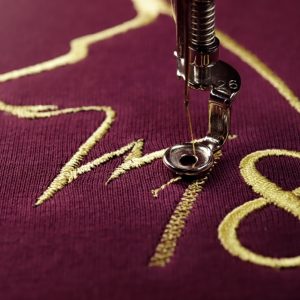 Embroidery involves stitching your company logo directly onto the garment using coloured threads. Modern embroidery machines recreate your design with impressive accuracy, producing a professional finish that is both durable and long-lasting.
This method has been the preferred choice for many businesses because it creates a premium appearance that reflects quality and professionalism.
Embroidered logos are particularly popular with tradespeople, office staff, hospitality businesses and customer-facing organisations where first impressions matter.
Benefits of Embroidered Workwear
Embroidery offers several advantages that make it the preferred option for many businesses.
- Premium, professional appearance
- Extremely durable and hard-wearing
- Colours remain vibrant after repeated washing
- Does not crack, peel or fade like some lower-quality prints
- Perfect for everyday uniforms
- Adds texture and depth to your branding
If your employees regularly meet customers or work inside people’s homes, embroidered clothing helps reinforce a trustworthy and established image.
When Is Embroidery the Best Choice?
Embroidery works particularly well on heavier garments where the stitching enhances the overall look without affecting comfort.
Popular embroidered products include:
Smaller logos positioned on the chest or sleeve are often the most effective, creating a clean and professional finish without overwhelming the garment.
What Is Printed Workwear?
Printed workwear uses specialist transfer, vinyl or screen-printing techniques to apply your logo directly onto the surface of the garment.
Printing has evolved significantly in recent years, producing vibrant colours, sharp detail and excellent durability when applied correctly.
It is particularly suited to larger logos, promotional clothing and designs that include gradients or intricate artwork that would be difficult to reproduce using embroidery.
Benefits of Printed Workwear
Printing offers flexibility that embroidery cannot always achieve.
- Excellent for large logos and graphics
- Ideal for detailed artwork and fine text
- Bright, vibrant colours
- Cost-effective for larger print areas
- Comfortable lightweight finish
- Perfect for promotional clothing and events
For businesses wanting bold branding across the back of jackets or T-shirts, printing is often the better option.
When Is Printing the Better Choice?
Printing is commonly used on garments where larger branding is required or where the fabric is lightweight.
Popular printed garments include:
- T-shirts
- Hoodies
- Hi-vis clothing
- Sportswear
- Promotional clothing
- Event uniforms
Printing is also ideal for temporary campaigns, exhibitions, charity events and product launches where bold branding helps maximise visibility.
Which Option Lasts Longer?
When applied professionally, both embroidery and high-quality garment printing can provide excellent durability.
However, embroidery generally has the edge when it comes to longevity. Because the design is stitched directly into the fabric, it is less affected by regular washing and everyday wear.
Modern printing techniques are also highly durable, but their lifespan depends on the quality of the materials used and how well the garments are cared for.
Following the manufacturer’s washing instructions will help maximise the life of both printed and embroidered clothing.
Which Looks More Professional?
There is no universal answer, as it depends on the style of your business and the garments being branded.
Embroidery is widely regarded as the premium option, particularly on polo shirts, shirts, fleeces and jackets where it creates a subtle, high-quality finish.
Printing, on the other hand, delivers a modern, vibrant look that works particularly well on casual clothing, promotional garments and larger logo designs.
Many businesses actually choose a combination of both methods depending on the garment and its purpose.
Can You Combine Printing and Embroidery?
Absolutely. In fact, many businesses achieve the best results by using both branding methods.
For example, you might choose an embroidered logo on the left chest for a professional finish while adding a large printed company name or contact details across the back for increased visibility.
This approach combines the premium appearance of embroidery with the impact and practicality of printed branding.
Things to Consider Before Ordering
Before placing your order, think about how your clothing will be used and what image you want to create.
- Will staff be customer-facing?
- Will garments be washed frequently?
- Is your logo simple or highly detailed?
- Do you want subtle branding or maximum visibility?
- Will clothing be worn indoors or outdoors?
- Are you ordering uniforms or promotional clothing?
Answering these questions will make it much easier to choose the most suitable branding method.
Frequently Asked Questions
Is embroidery more expensive than printing?
Not always. Pricing depends on the size of the logo, stitch count, garment type and order quantity. For many everyday uniforms, the difference in cost is surprisingly small.
Can embroidered logos be removed?
They can, but removing embroidery usually leaves small needle holes in the fabric. It is generally recommended to embroider garments that are intended for long-term use.
Does printed workwear fade?
Professional garment printing is designed to withstand regular washing. Following the recommended care instructions will help maintain colour and appearance for longer.
Which branding method is best for tradespeople?
Most tradespeople choose embroidered polo shirts, fleeces and jackets because they provide a smart, professional appearance while standing up well to everyday wear.
Final Thoughts
There is no right or wrong choice between printed and embroidered workwear. Both offer excellent results when used appropriately.
If you’re looking for a premium, long-lasting finish for uniforms worn every day, embroidery is often the preferred option. If you need bold graphics, promotional clothing or large logo designs, printing may be the better solution.
Many businesses choose a combination of both to create practical, professional workwear that reflects their brand while meeting the needs of their team.
At Work & Wear Direct, we supply a wide range of high-quality branded workwear, offering both professional embroidery and garment printing services. Whether you need a single embroidered polo shirt or a complete uniform package for your workforce, we’re here to help you choose the right solution.
Contact our team today to discuss your branded workwear requirements and request a personalised quotation.