UK PPE Standards 2026: What Employers Need to Know
 Personal protective equipment plays a crucial role in keeping people safe at work, but simply providing employees with gloves, safety footwear or high-visibility clothing is not enough. Employers need to make sure the PPE they provide is appropriate for the risks involved, fits the person wearing it and meets the relevant safety requirements.
UK PPE standards continue to evolve, with the government’s official list of designated standards for personal protective equipment updated during 2026.
For employers, health and safety managers and businesses purchasing PPE, it is therefore important to understand what these standards mean and what to look for when choosing protective equipment.
What Has Changed With UK PPE Standards in 2026?
The UK Government maintains a list of designated standards covering personal protective equipment supplied in Great Britain.
The consolidated PPE standards list was updated on 8 August 2026, following another update earlier in June. A further proposed amendment was published in September 2026, demonstrating that PPE standards and recognised specifications continue to be reviewed.
These standards can be used by manufacturers to help demonstrate that products meet the essential health and safety requirements applying to PPE placed on the Great Britain market.
For businesses buying PPE, you do not necessarily need to understand every individual technical standard. However, you should make sure the products you purchase are designed and certified for the particular risks your workers face.
What Counts as PPE?
PPE covers a wide range of products designed to protect workers against workplace hazards.
Depending on the job and risk assessment, this can include:
- Safety footwear and protective boots
- Protective gloves
- Safety helmets and head protection
- Safety glasses and goggles
- Hearing protection
- High-visibility clothing
- Protective workwear and coveralls
- Respiratory protective equipment
- Harnesses and fall protection equipment
The correct equipment will depend on both the workplace and the hazards identified through your risk assessment.
PPE Should Be the Right Protection for the Job
One of the most important points for employers is that PPE should not simply be selected because it is labelled as protective equipment.
The protection offered needs to match the actual hazard.
For example, different gloves may be required for handling chemicals, protecting against cuts, working in cold environments or carrying out general construction tasks. Likewise, different safety footwear can provide protection against impact, penetration, slipping, heat or electrical hazards.
Employers should consider:
- The type of hazard workers are exposed to
- How severe that risk is
- How long workers will be exposed
- The working environment
- Whether several items of PPE need to be worn together
- The size, fit and comfort of the equipment
Choosing appropriate PPE isn’t simply about ticking a health and safety box. The equipment needs to provide effective protection while allowing employees to carry out their work safely.
CE and UKCA Marking for PPE
Another area that can cause confusion is conformity marking.
For most new PPE supplied for workplace use in Great Britain, employers should look for an appropriate conformity assessment mark. Current HSE guidance states that most new PPE placed on the Great Britain market should carry either a UKCA or CE mark, together with the required documentation and instructions.
These markings indicate that the product has undergone the relevant conformity assessment process for the market in which it is being supplied.
However, a conformity mark should not be viewed as the only consideration when purchasing PPE.
You still need to make sure that the product is suitable for the particular job, hazard and person wearing it.
Employers Have a Duty to Provide Suitable PPE
UK health and safety law places responsibilities on employers when PPE is required in the workplace.
Where risks cannot be adequately controlled through other measures, suitable PPE should be provided to workers free of charge.
Employers must also make sure PPE is:
- Suitable for the risk involved
- Properly assessed before use
- Correctly fitted to the individual worker
- Compatible with other PPE being worn
- Properly maintained and stored
- Supplied with appropriate information and instructions
- Used correctly
Workers should also receive sufficient instruction and training so they understand when PPE is required, how it should be worn and what its limitations are.
PPE Is the Last Line of Defence
 It’s also important to remember that PPE should not automatically be the first solution to a workplace hazard.
The Health and Safety Executive recommends following the hierarchy of controls. Wherever reasonably practicable, businesses should first look at whether a hazard can be eliminated, substituted or controlled through engineering or working practices.
PPE is generally used where a remaining risk still needs to be controlled.
For example, providing respiratory protection should not replace suitable dust extraction where extraction could reasonably control the hazard at source.
Fit and Compatibility Matter
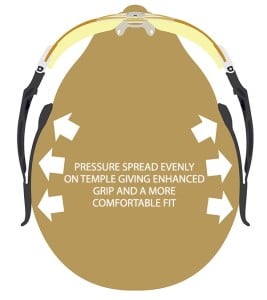
Even compliant PPE can provide inadequate protection if it does not fit correctly.
Employers should consider the physical characteristics of individual workers as well as the size, weight and fit of the equipment.
This becomes particularly important when several pieces of PPE are worn together.
For example, safety glasses could potentially interfere with the seal of certain respiratory protection, while incompatible ear defenders and safety helmets may prevent either item from working as intended.
Providing workers with appropriate sizes and compatible equipment can therefore make a significant difference to both safety and comfort.
Don’t Forget PPE Maintenance
Buying suitable PPE is only the beginning.
Reusable protective equipment needs to be maintained, cleaned and stored correctly so it continues to provide the intended level of protection.
This is particularly important with items such as high-visibility clothing. Dirt and wear can reduce the effectiveness of reflective materials, meaning clothing that was suitable when originally purchased may no longer provide the same level of visibility.
Businesses should regularly inspect PPE and replace damaged, worn or defective equipment when necessary.
Be Careful When Buying PPE on Price Alone
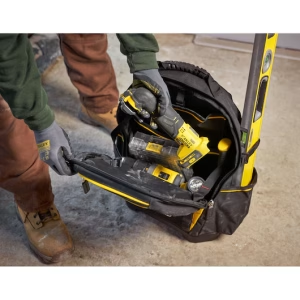
Cost will naturally be a consideration when purchasing workwear and PPE, particularly for businesses supplying large teams.
However, choosing products purely because they are the cheapest option can be a false economy.
Businesses should consider the appropriate standards, durability, comfort, fit and protection offered by the product as well as its purchase price.
Good quality PPE that workers are comfortable wearing and that is appropriate for their job is more likely to be used correctly and consistently.
A Simple PPE Checklist for Employers
When reviewing your workplace PPE during 2026, consider asking the following questions:
- Has our workplace risk assessment been reviewed recently?
- Are we supplying the correct PPE for each identified hazard?
- Does our PPE meet the appropriate product requirements?
- Are we purchasing PPE from a reputable supplier?
- Do employees have access to the correct sizes?
- Can different items of PPE be worn safely together?
- Are workers trained in how and when to use the equipment?
- Is reusable PPE being inspected and maintained?
- Do we have a system for replacing worn or damaged equipment?
- Have changes to jobs, equipment or working practices created new PPE requirements?
Need Workwear or PPE for Your Workforce?
Keeping your workforce protected starts with choosing the right equipment for the job.
Work & Wear Direct supplies a comprehensive range of workwear, PPE, safety footwear and protective clothing suitable for businesses across a wide range of industries.
Whether you’re purchasing PPE for a small team or looking for a reliable supplier for your entire workforce, we can help you choose suitable products for your requirements.
Browse our workwear and PPE range today, or contact the Work & Wear Direct team for help with your requirements.