Winter Workwear Checklist 2026: Preparing Your Workforce for Cold & Wet Weather
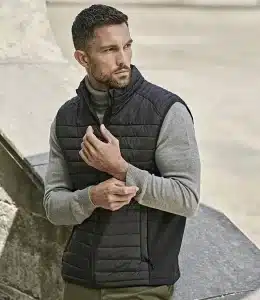
Cold temperatures, rain, wind and shorter daylight hours can make working outdoors significantly more challenging during the UK winter.
For employers, it is important to make sure workers have suitable clothing and personal protective equipment to remain warm, dry, visible and protected while carrying out their jobs.
Whether your team works in construction, landscaping, logistics, utilities, warehousing, highways or another outdoor environment, now is a good time to review your winter workwear.
Our winter workwear checklist covers some of the key things businesses should consider when preparing their workforce for the colder and wetter months ahead.
Why Winter Workwear Matters
Working outdoors exposes employees to conditions that can change quickly.
Low temperatures are only one part of the problem. Wind and rain can make workers feel significantly colder, while wet clothing can reduce insulation and make it more difficult for the body to stay warm.
Poor weather can also affect concentration, dexterity and the ability to perform tasks safely.
The Health and Safety Executive advises employers to consider the risks created by outdoor working and make sure any personal protective equipment provided is appropriate for the conditions.
Winter workwear therefore needs to do more than simply keep someone comfortable. Depending on the work being carried out, it can form an important part of protecting workers against workplace risks.
1. Waterproof Jackets
 A good waterproof work jacket is one of the most useful additions to an outdoor worker’s winter kit.
Keeping the outer layer dry helps maintain warmth and makes working in poor weather considerably more comfortable.
When choosing a waterproof work jacket, consider:
- Water resistance
- Breathability
- Wind protection
- Durability
- Freedom of movement
- Adjustable cuffs and hems
- Suitable pockets for the job
- Compatibility with other PPE
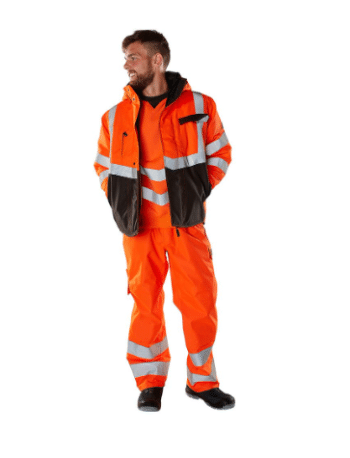
For workers who also need to remain highly visible, a waterproof hi-vis jacket can combine weather protection with enhanced visibility.
2. Hi-Vis Clothing for Darker Days
Reduced daylight is one of the most noticeable changes during autumn and winter.
Workers may arrive on site before sunrise, work in dull or overcast conditions and finish after dark.
Where a risk assessment identifies the need for high-visibility clothing, employers should make sure the garments provided are appropriate for the working environment.
Depending on the job, winter hi-vis clothing could include:
- Hi-vis waterproof jackets
- Hi-vis bomber jackets
- Hi-vis softshell jackets
- Hi-vis fleeces
- Hi-vis bodywarmers
- Hi-vis trousers
- Hi-vis rainwear
Garments should also be kept clean and maintained correctly. Dirt, damage and excessive wear can reduce the effectiveness of reflective and fluorescent materials.
3. Use Layers Rather Than One Heavy Garment
Layering can be one of the most effective ways of keeping workers comfortable in changing winter conditions.
Instead of relying entirely on one heavy jacket, several layers allow clothing to be adjusted as the temperature, weather and level of physical activity change throughout the day.
A typical winter workwear system might include:
- A comfortable base layer
- A sweatshirt, hoodie or fleece
- An insulating mid-layer
- A waterproof or wind-resistant outer layer
This makes it easier for workers to remove or add clothing depending on their workload and conditions.
Someone carrying out strenuous manual work may require very different clothing from somebody standing relatively still outside for long periods.
4. Don’t Overlook Waterproof Work Trousers

A waterproof jacket only protects part of the body.
Workers who spend long periods outdoors can benefit from waterproof trousers or overtrousers, particularly in persistent rain or when carrying out work close to wet ground.
They can be particularly useful for:
- Construction workers
- Groundworkers
- Landscapers
- Highways teams
- Utilities workers
- Delivery and logistics workers
- Agricultural workers
Where visibility is also important, hi-vis waterproof trousers can provide both weather protection and increased visibility.
5. Choose Winter Safety Footwear Carefully
Wet, muddy and potentially icy surfaces can increase the risk of slips and falls during winter.
Suitable safety footwear is therefore particularly important.
Depending on the job and workplace risks, employers may need to consider features including:
- Slip-resistant soles
- Water-resistant or waterproof uppers
- Protective toe caps
- Midsole penetration protection
- Ankle support
- Insulation
- Comfort for prolonged use
The correct footwear should always be selected according to the hazards identified within the workplace risk assessment.
There is no single safety boot that is suitable for every occupation or working environment.
6. Protect Hands Without Compromising Dexterity

Cold hands can make practical tasks more difficult, particularly where workers need good grip and fine control.
Winter work gloves can help provide additional warmth, but they must still offer the protection and dexterity needed for the job.
Before selecting gloves, consider what workers actually need protection from.
This could include:
- Cold conditions
- Water
- Cuts and abrasions
- Chemicals
- Impact
- Rough materials
The warmest glove available is not necessarily the correct glove for every task.
Comfort, protection, grip and dexterity all need to be considered together.
7. Keep Heads Warm Without Interfering With PPE
Beanies and thermal hats can be useful for workers exposed to cold environments, provided they do not interfere with other protective equipment.
Workers required to wear safety helmets, ear defenders or other head protection need equipment that can be used safely together.
A bulky hat underneath a safety helmet, for example, may affect the fit and performance of the helmet.
Where head protection is required, look for suitable cold-weather accessories or compatible products designed specifically for use with the PPE being worn.
8. Check That Different Items of PPE Work Together
Winter often means workers wear more equipment at the same time.
This makes PPE compatibility especially important.
Employers should check that one item does not reduce the effectiveness of another.
For example:
- A hood should not interfere with safety helmet fit
- Gloves should still allow tools and machinery to be operated safely
- Jackets should not obstruct harnesses
- Safety glasses should not interfere with respiratory protection
- Ear defenders should remain effective when worn with head protection
Fit and compatibility should form part of the PPE selection process rather than being considered after the equipment has been purchased.
9. Inspect Existing Winter PPE Before Reusing It
If you already have winter PPE and workwear from previous years, inspect it before issuing it again.
Look for:
- Tears and holes
- Damaged seams
- Broken fastenings or zips
- Worn soles
- Reduced waterproofing
- Damaged reflective strips
- Heavy staining
- General deterioration
Protective equipment should be maintained and stored correctly and replaced when it can no longer provide the required protection.
10. PPE Is Only Part of Managing Cold Weather
Winter workwear is important, but employers should not rely on clothing alone to manage the risks associated with working in cold conditions.
The HSE recommends employers consider additional measures for outdoor workers, including suitable warming facilities, hot drinks, more frequent rest breaks and, where appropriate, rescheduling work to warmer periods.
Workers should also be made aware of symptoms that could indicate they are being affected by cold conditions.
A suitable approach combines appropriate clothing and PPE with sensible working practices and a proper assessment of the risks.
Winter Workwear Checklist for Employers
Before temperatures begin to fall, businesses may find it useful to review the following:
- Have outdoor working risks been assessed?
- Do workers have appropriate waterproof clothing?
- Is suitable hi-vis clothing available where required?
- Are workers able to layer their clothing?
- Is safety footwear suitable for wet and slippery conditions?
- Are suitable gloves available for cold weather tasks?
- Does all PPE fit individual workers correctly?
- Can different pieces of PPE be worn safely together?
- Has older winter PPE been inspected for damage and wear?
- Are replacement garments and PPE readily available?
- Do workers have suitable opportunities to warm up?
- Have workers been given appropriate information and instruction?
When Should You Order Winter Workwear?
Ideally, don’t wait until the first spell of freezing weather before checking your stock.
Ordering early gives businesses time to review employee sizes, replace worn garments and make sure appropriate workwear is available before conditions deteriorate.
This can be particularly important if you need larger quantities of workwear or require clothing to be embroidered or printed with your company branding.
Branded Winter Workwear for Your Team
Winter workwear doesn’t need to mean compromising your company’s professional appearance.
Jackets, fleeces, sweatshirts, hoodies, bodywarmers and other garments can be customised with your business logo, helping employees stay warm while maintaining a consistent company image.
Branded workwear can be particularly valuable for employees working on customer premises, construction sites and public-facing jobs where recognising members of your team is important.
Get Your Workforce Ready for Winter
Preparing early can make it much easier to keep your team comfortable, visible and properly equipped throughout the colder months.
Work & Wear Direct supplies a wide range of workwear, safety footwear, hi-vis clothing and PPE for businesses across the UK, with branded clothing options available for companies looking to create a professional and consistent appearance.
Whether you need a few replacement garments or you’re equipping an entire workforce for winter, explore our workwear and PPE range or speak to the Work & Wear Direct team for help choosing suitable products.