The Complete Guide to PPE for UK Businesses
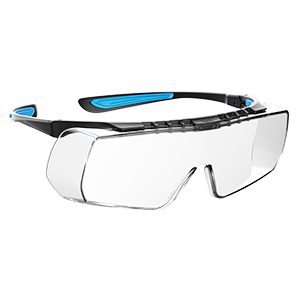
Personal Protective Equipment (PPE) plays a vital role in protecting employees from workplace hazards and reducing the risk of injury. From construction sites and warehouses to factories, workshops and healthcare environments, the right PPE helps businesses create safer working conditions while meeting their legal responsibilities.
Choosing suitable PPE isn’t simply about buying gloves, hard hats or high-visibility clothing. Every workplace presents different risks, which means employers need to understand what protection is required, how equipment should be used and when it needs replacing.
In this guide, we’ll explain everything UK businesses need to know about Personal Protective Equipment, including employer responsibilities, the different types of PPE available and how to choose the right products for your workforce.
What Is PPE?
Personal Protective Equipment, commonly known as PPE, refers to clothing and equipment designed to reduce the risk of injury or illness in the workplace. It acts as the final line of defence when hazards cannot be completely eliminated through safer working practices or engineering controls.
Depending on the environment, PPE may protect workers from impacts, sharp objects, chemicals, dust, excessive noise, extreme temperatures, falling objects or hazardous substances.
Effective PPE should always fit correctly, be suitable for the task and be properly maintained throughout its working life.
Why PPE Is So Important
Every year, thousands of workplace injuries could be prevented through the correct use of suitable Personal Protective Equipment.
Providing employees with appropriate PPE not only reduces the likelihood of accidents but also helps create a safer, more professional working environment. Employees who feel protected are often more confident and productive, while customers and visitors gain reassurance from seeing businesses that clearly take health and safety seriously.
For many industries, PPE is not optional – it forms an essential part of everyday working practices.
Who Needs PPE?
Many different sectors rely on Personal Protective Equipment, including:
- Construction and building trades
- Manufacturing
- Warehousing and logistics
- Engineering
- Agriculture
- Landscaping and grounds maintenance
- Utilities
- Healthcare
- Cleaning services
- Food production
- Transport and distribution
Even businesses operating in relatively low-risk environments may still require certain types of protective equipment depending on the tasks being carried out.
Common Types of PPE
Head Protection
Safety helmets and hard hats protect against falling objects and impact injuries. They are commonly required on construction sites, industrial facilities and infrastructure projects.
Helmets should always be inspected regularly for cracks, damage or signs of wear and replaced when necessary.
Eye Protection
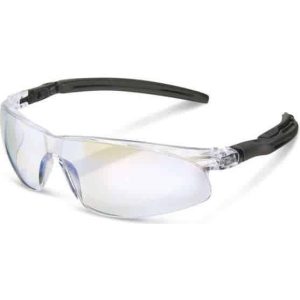 Safety glasses and goggles help protect against dust, flying debris, chemicals and sparks.
Different working environments require different levels of protection, so selecting the correct eyewear is essential.
Hearing Protection
Employees exposed to prolonged high noise levels may require ear defenders or disposable ear plugs to reduce the risk of long-term hearing damage.
Hearing protection is widely used within manufacturing, engineering, construction and heavy industry.
Respiratory Protection
Respirators and face masks help protect workers from dust, fumes, fibres, vapours and airborne contaminants.
The correct type of respiratory protection depends entirely on the hazards present and should always be selected carefully.
Hand Protection
Protective gloves are available for a wide variety of tasks including handling sharp materials, chemicals, heat, oils, machinery and general manual handling.
Using the wrong glove can sometimes create additional risks, making it important to choose products designed for the intended application.
Protective Clothing
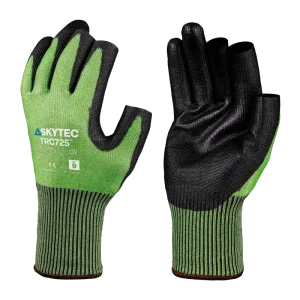
Protective clothing includes everything from high-visibility jackets and waterproof garments to flame-retardant clothing and disposable coveralls.
The type of clothing required depends on weather conditions, visibility requirements and workplace hazards.
Safety Footwear
Safety boots and safety trainers help protect feet from impact, punctures, slips and heavy objects while providing comfort throughout the working day.
Choosing footwear with the correct safety rating is essential for maintaining compliance and protecting employees.
Employer Responsibilities
Employers have a legal duty to assess workplace risks and provide suitable PPE where hazards cannot be adequately controlled by other means.
This involves more than simply supplying equipment. Businesses should also ensure that employees understand when PPE should be worn, how to use it correctly and how to identify damaged equipment that needs replacing.
Regular inspections and routine maintenance help ensure protective equipment continues performing as intended.
How to Choose the Right PPE
Selecting Personal Protective Equipment should always begin with a thorough risk assessment.
When choosing PPE, consider:
- The specific hazards involved.
- The working environment.
- How long equipment will be worn.
- Comfort and ease of movement.
- Compatibility with other PPE.
- Relevant safety standards.
- Correct sizing and fit.
Comfort is often overlooked, but uncomfortable equipment is less likely to be worn correctly throughout the day.
Looking After PPE
Providing PPE is only part of the process. Equipment should also be maintained properly to ensure it continues offering the required level of protection.
Simple good practices include:
- Inspecting equipment before use.
- Cleaning reusable PPE regularly.
- Replacing damaged items immediately.
- Storing equipment in clean, dry conditions.
- Following manufacturer care instructions.
Employees should also be encouraged to report damaged or worn equipment as soon as possible.
Common PPE Mistakes
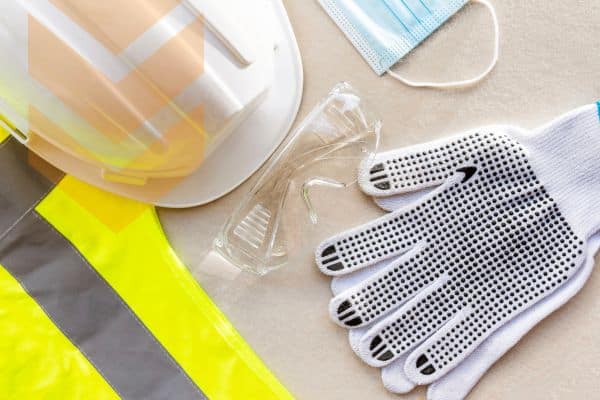 Many businesses unknowingly reduce the effectiveness of their PPE by making avoidable mistakes.
- Buying equipment based on price alone.
- Choosing the wrong size.
- Ignoring comfort.
- Failing to replace damaged PPE.
- Using equipment for tasks it wasn’t designed for.
- Not providing suitable employee training.
A little extra time spent selecting quality equipment can significantly improve both safety and long-term value.
Frequently Asked Questions
Is PPE legally required?
Where workplace risks cannot be eliminated through other control measures, suitable PPE should be provided to employees to help reduce the risk of injury.
How often should PPE be replaced?
This depends on the type of equipment, how frequently it is used and the conditions it is exposed to. Regular inspections help identify when replacements are needed.
Can employees use their own PPE?
Some businesses allow employees to use their own equipment, provided it meets the required safety standards and is suitable for the work being carried out.
What is the most commonly used PPE?
Safety footwear, gloves, eye protection and high-visibility clothing are among the most commonly used forms of Personal Protective Equipment across the UK.
Final Thoughts
Personal Protective Equipment remains one of the most effective ways to reduce workplace injuries and protect employees from everyday hazards. Choosing the right equipment, ensuring it fits correctly and replacing it when necessary all contribute towards creating a safer working environment.
At Work & Wear Direct, we supply a comprehensive range of PPE, including safety footwear, gloves, eye protection, hard hats, high-visibility clothing and workplace safety equipment from leading manufacturers. Whether you’re buying for a small team or managing PPE across multiple sites, we’re here to help you find the right products for your business.
Browse our PPE range today or contact our experienced team for expert advice on choosing the right equipment for your workforce.